
Outside: take a look before approaching

Spend a couple of minutes watching. How is the animal breathing? Can it stand? Is it bleeding? If a cat is breathing with its mouth open, or an animal is having seizures, bleeding heavily, unconscious or seriously injured, call a clinic urgently and get help. Food and found-pet notices can wait.
If a cat or dog is staggering, lunging at people or drooling unusually, keep your distance. Move children and pets away, then ask a clinic who can safely catch and transport it. Handling it with bare hands or taking it into a shared waiting room puts others at risk.
With an alert animal, you can check for an ID tag, ask neighbours and arrange an examination. Even a friendly cat needs a carrier: a sudden fright may make it bolt.

Wash any bite or scratch that breaks the skin with running water and soap for at least 15 minutes, then seek medical attention. A doctor will assess the need for rabies prevention, tetanus protection and treatment of the wound.
Saliva in the eyes, mouth or broken skin also needs urgent medical attention. The WHO recommends prompt care after a risky exposure. Do not wait for symptoms in yourself or the animal.
Tell the doctor where you found the animal and how it behaved. Do not try to catch it again with your hands for observation. The animal’s veterinary examination does not replace your own medical assessment.

Before taking a female cat away, look around and ask anyone who feeds her. A nursing mother may have enlarged mammary glands and a litter hidden nearby. Taking her away alone leaves the kittens without food and warmth.
Kittens without a mother may still be waiting for her to return. She might be finding food or moving them one at a time. ASPCA advises watching from a distance: someone standing by the nest may keep her away.
If the kittens are wet, cold, weak, injured or beside a road, move them somewhere safely warm and contact a clinic. A cold kitten needs gentle warming before feeding; feeding it while cold can be dangerous. We cover very young kittens below.
Getting to the clinic
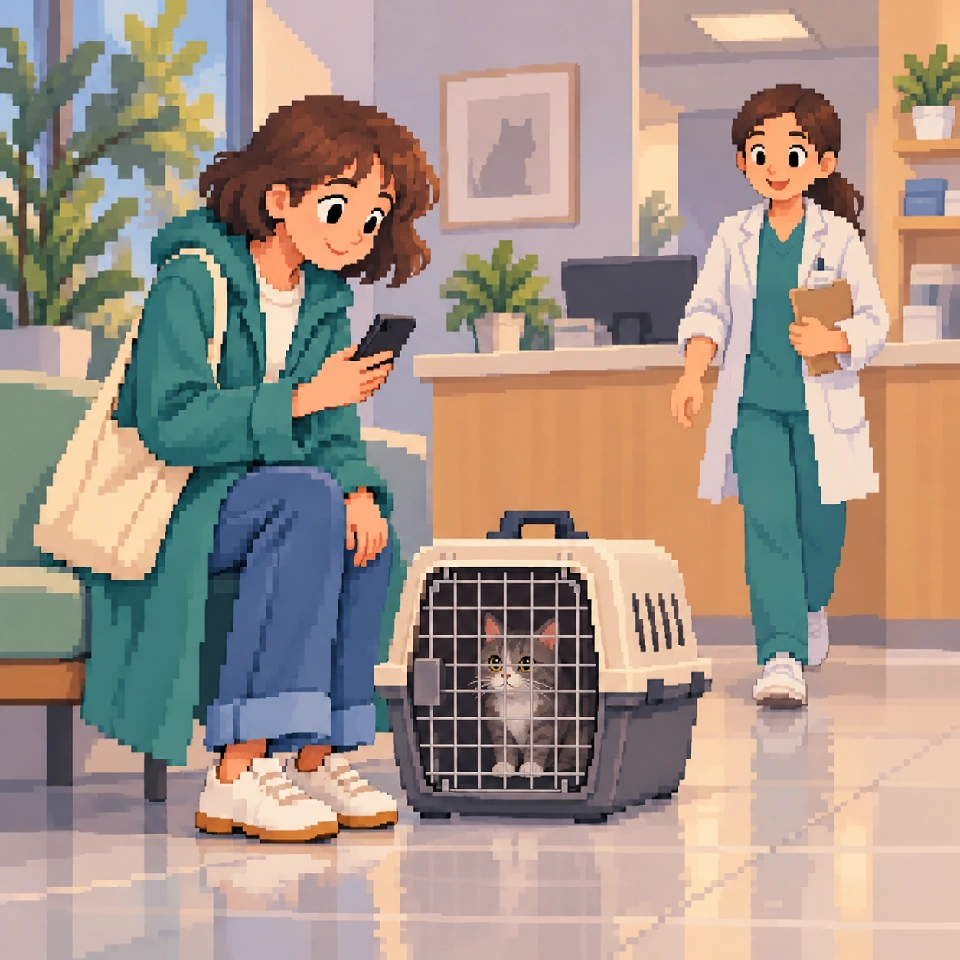
Tell the clinic you’ve found an animal and describe your concerns. Mention vomiting, diarrhoea, nasal discharge or suspected infection before arriving. Staff can explain where to wait and how to avoid other patients.
Ask whether the specialist and tests you may need are available now. A 24-hour clinic may see patients overnight but offer ultrasound or certain tests only during the day. If the animal is seriously ill, ask where to go immediately.
If the animal is calm and shows no obvious signs of an emergency, book the earliest suitable examination. Until then, you can keep it at home separately from other pets. Hold off on bathing, trying several treatments and introducing it to your own cat.

A cat needs a closed carrier with a secure door and a towel on the bottom. For a short trip, a sturdy box with ventilation holes can work if the cat cannot tear or open it. Secure the carrier in the car and open it only inside an enclosed room.
Holding a cat during a journey is risky: it may panic, get under the pedals or jump out. A towel over part of the carrier can shelter it from the bustle, as long as the air holes stay clear.
For a dog, choose a well-fitting harness and lead it cannot slip out of. Use a suitable carrier or car restraint for the journey. Avoid hugging an unfamiliar dog or leaning your face towards its muzzle.
These clinics list 24-hour opening on their official websites. Call before travelling and describe the symptoms so staff can confirm whether they can help now.
▫️ Puls — Kiyot residential area, 68A. Phone: +998 97 344 08 46
▫️ MyVet — Chigil Street, 32A. Emergency line: +998 99 067 07 90. General number: +998 99 442 50 80.
If you suspect an infection, ask about a separate waiting area. If you have nowhere to keep the animal, ask about inpatient isolation and its price. Ordinary pet boarding may not provide the separation you need.
The first day at home
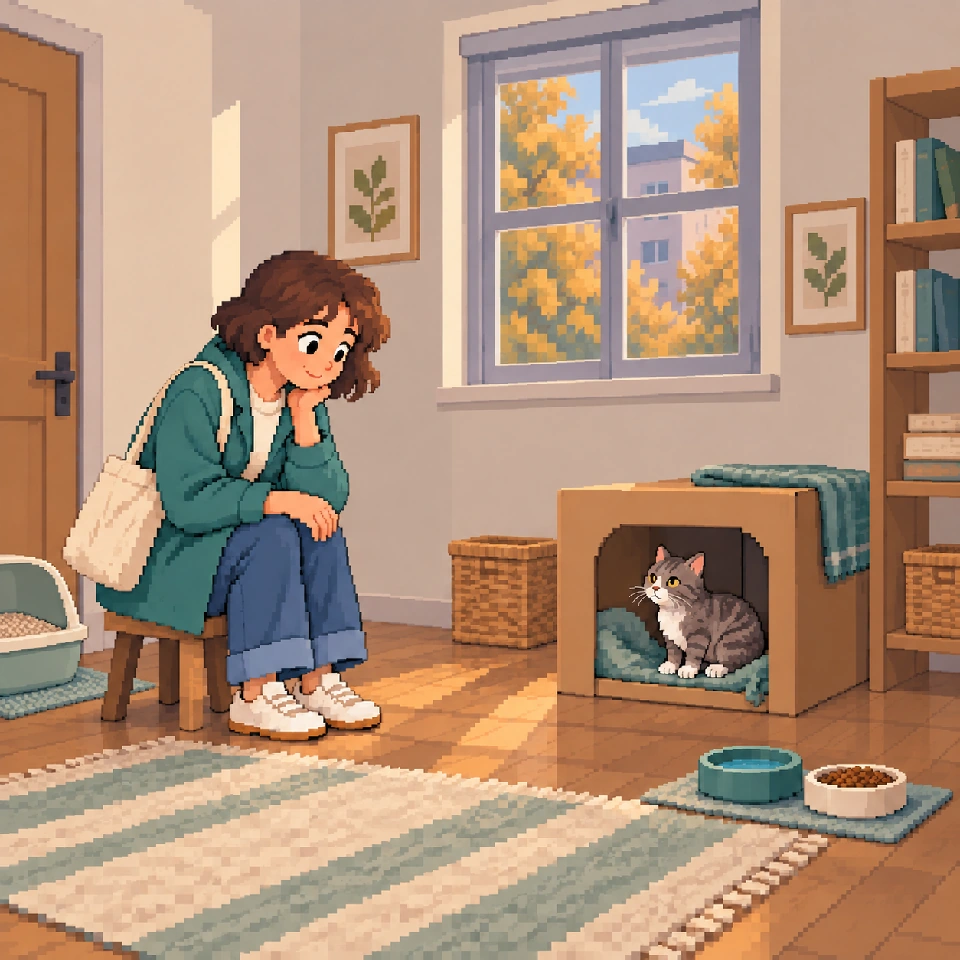
Start with a room you can close off: an animal can look healthy and still carry an infection or parasites. Give it separate bowls, a litter tray or puppy pads, bedding and a box to hide in. Keep food away from the toilet area. In a bathroom, remove cleaning products and block unsafe gaps first.
Wash your hands afterwards. Keep the bowls, litter scoop and bedding in that room for now. If the vet finds an infection, ask what to use on floors and belongings and how long it must stay on each surface. Never mix household cleaning products.
A carrier in a shared room does not provide enough separation: your cat can still approach it. If you have no separate room, look for a pet-free foster home, boarding that provides isolation, or a clinic that can admit the animal. Arrange this before bringing the animal home.

After the journey, offer water and a small portion of suitable cat or dog food. Let the animal hide and rest; bathing and meeting the whole family can wait. A severely underweight animal needs a feeding plan from a vet: a large meal after prolonged starvation can cause harm.
Keep notes on eating, drinking, toileting, vomiting, diarrhoea and discharge. Even 24 hours without food can be dangerous for an adult cat, Cornell University warns. A kitten, a frail animal or one with other symptoms needs help sooner.
Straining without passing urine, repeated vomiting, sudden weakness and difficulty breathing need urgent attention. Do not force food into the animal’s mouth.

A very young orphaned kitten needs someone to feed it, including at night, keep it warm and help it toilet. If you’re at work all day, arrange help or foster care straight away.
Warm a cold kitten gently before feeding. Wrap a heat source in fabric and leave space for the kitten to move away. The ASPCA guide explains this care; ask a vet or experienced foster carer to demonstrate feeding.
Use kitten milk replacer, not cow’s milk. Feed the kitten on its belly, without forcing milk in: it can enter the airways. Amounts and intervals depend on age and weight. Very young kittens also need gentle stimulation to pass urine and stools after feeding. Ask someone to show you how in person.
Looking for an owner
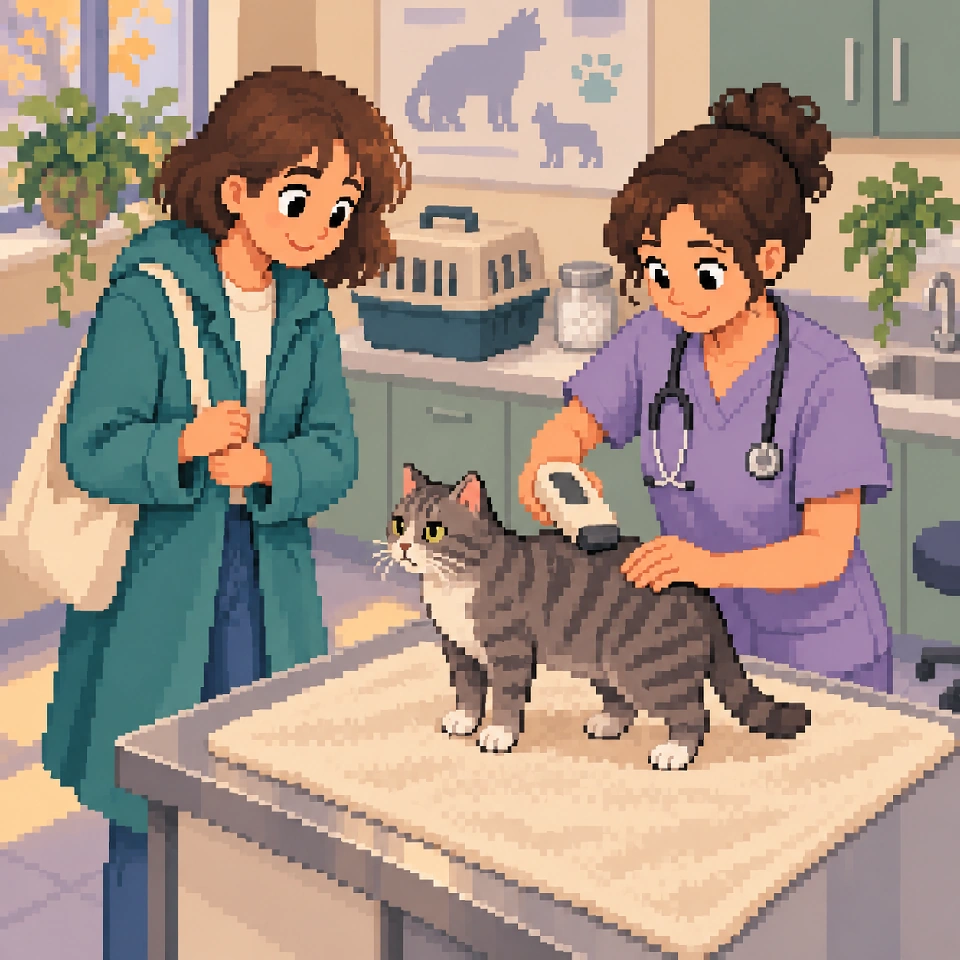
While the animal is with you, photograph it and record where and when you found it. Ask the clinic to scan for a microchip; its number may lead to an owner. Post found-pet notices in neighbourhood chats and lost-animal groups.
Keep a few distinctive features out of the notice. When someone responds, ask for older photos, documents or a detail you haven’t published. This reduces the chance of handing the animal to a stranger.
In Uzbekistan, an animal found with an unknown owner must be reported within three days to the internal affairs authorities, the relevant state body or the mahalla. Article 195 of the Civil Code requires this separately from online notices. You can keep and care for the animal while its owner is being sought.
At the vet: questions and a plan
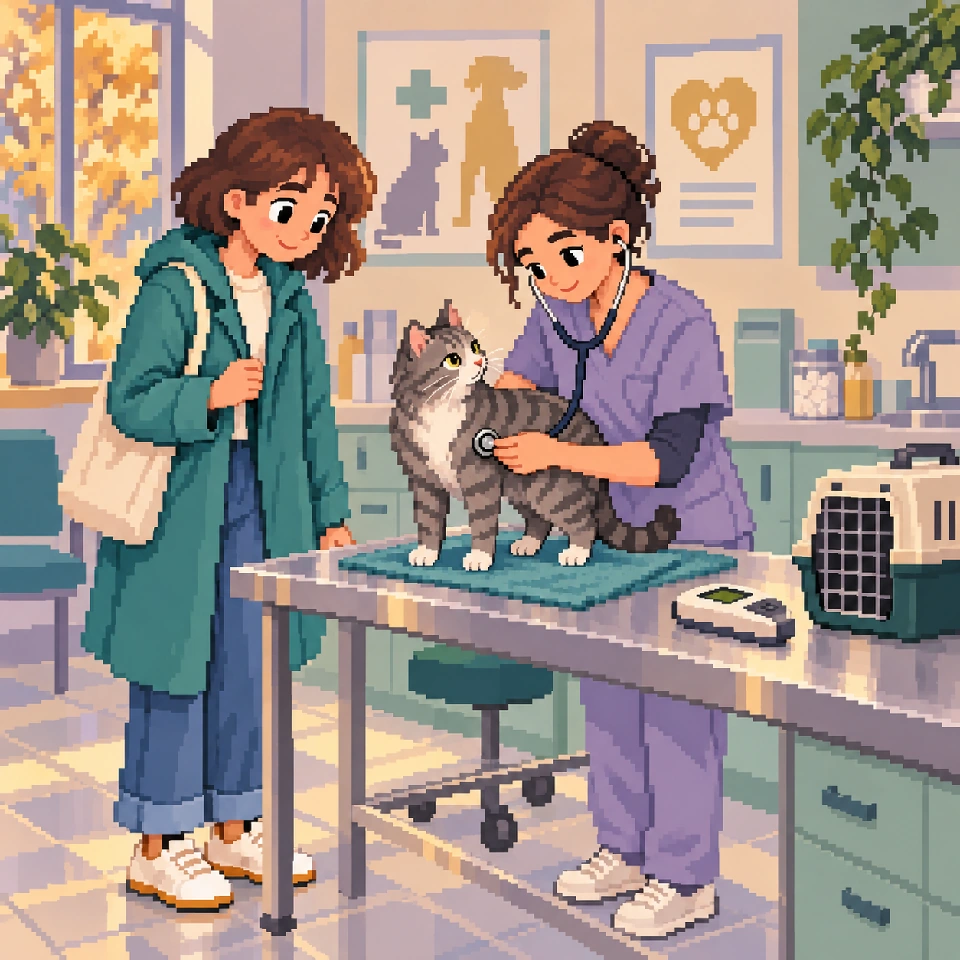
The vet will estimate the animal’s age, weigh it and check its skin, mouth, breathing, injuries and hydration. For a female cat, they will consider pregnancy and whether she is nursing. Explain where you found her, what food or medicines you’ve given and what you’ve noticed at home.
These details shape the plan. One animal may need treatment immediately; another may need parasite control, vaccines and observation. Film unusual breathing or movements if you can: the symptom may not happen in the consulting room.
Before leaving, ask for a written plan for the next few days: what to do today, which tests are needed, when to return and how long to keep the animal apart from other pets. For each medicine, get its name, the dose for this particular animal and the length of the course.

FeLV is feline leukaemia virus; FIV is feline immunodeficiency virus. A cat can carry either without obvious symptoms. FelineVMA recommends testing newly acquired cats, especially before introducing them to other cats.
The tests look for different signs: usually a viral protein for FeLV and antibodies for FIV. Soon after infection there may not be enough to detect. Repeat testing is therefore sometimes needed: the guidance suggests around 30 days for FeLV and 60 for FIV, sometimes longer. Your vet will set the timing.
A positive screening result may also need confirmation. Maternal antibodies can affect FIV tests in young kittens. A single positive result is not a reason to euthanise a cat: the diagnosis and its health need to be assessed first.
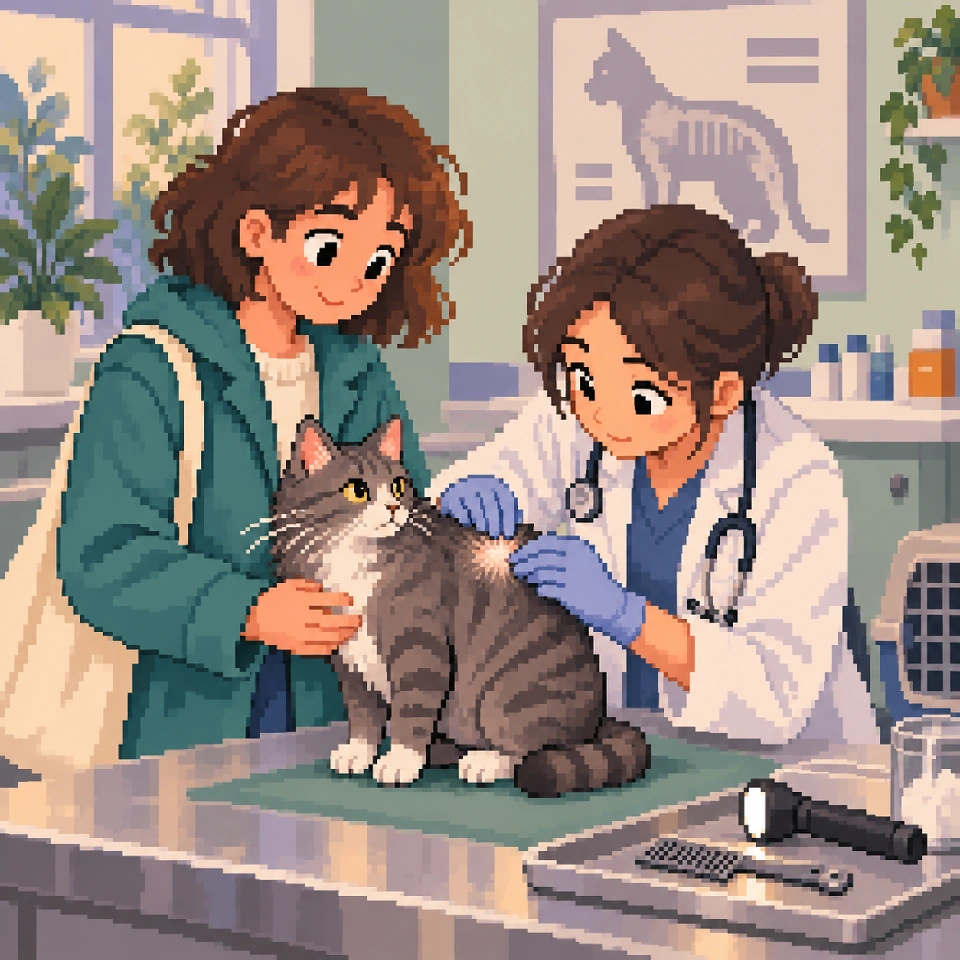
Other tests depend on the examination. A stool test can look for intestinal parasites; skin and hair tests can investigate itching and bald patches. Blood tests, ultrasound and X-rays answer particular questions, such as why an animal is weak or what an injury has damaged.
Ringworm is a fungal skin infection that can spread to people and other animals. A Wood’s lamp can help during examination, but a glow — or no glow — cannot establish the diagnosis on its own. The vet may examine hairs and order further tests.
For each test, ask what it is looking for and what the result would change. That helps explain why one is needed now and another may be more useful later.
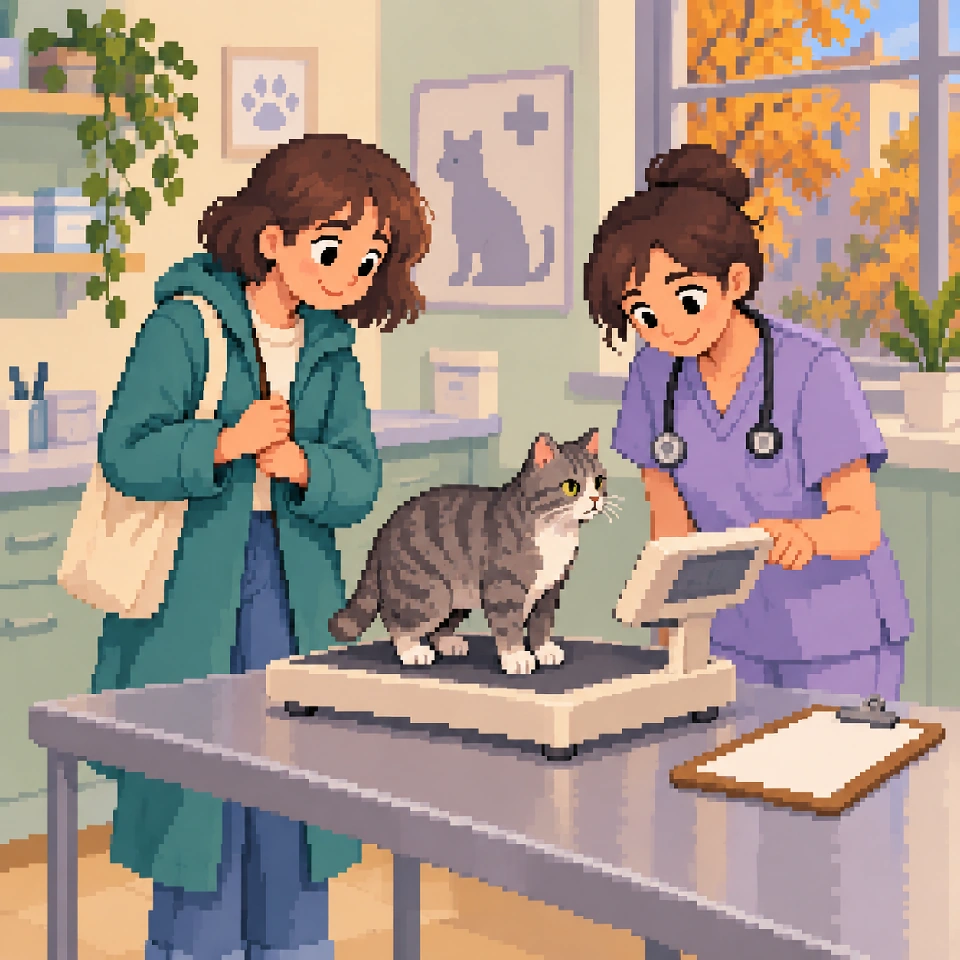
Parasite treatment depends on species, age, weight and health, including a possible pregnancy. Do not use dog flea drops on a cat: permethrin, found in some products, is toxic to cats. Do not give human painkillers, antibiotics or hormones without a prescription.
The vet will set a timetable for treatments and vaccines. Without records, vaccination history is treated as unknown, and a plan is made for the animal’s age and condition. Vaccines do not treat an infection already under way, and protection takes time to develop.
WSAVA’s guidelines cover cat and dog vaccination, including core infections and rabies. Put the dates for repeat doses and parasite treatments in your calendar.
If the cat is pregnant
Can a pregnant cat be spayed?
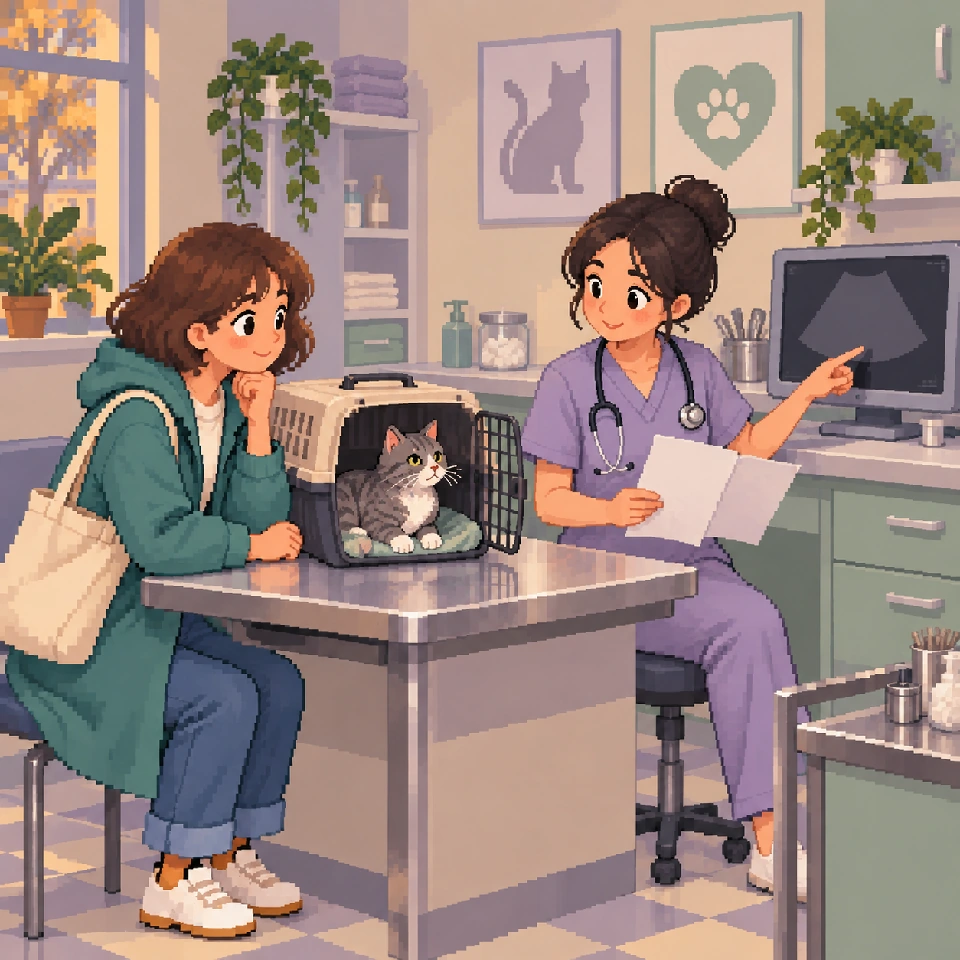
First, the vet needs to establish why her abdomen is enlarged. Pregnancy and illness are both possible; an examination and ultrasound may be needed. Mention any kittens she is already nursing: they still need their mother.
Spaying ends the pregnancy. It is an established veterinary procedure. The Association of Shelter Veterinarians considers it safe and humane in most cases at any stage. Discuss the cat’s condition, anaesthesia, surgical risks and recovery care with the vet.
If you want the pregnancy to continue, discuss that option too. You’ll need check-ups, a place for the birth and access to emergency care. Feeding, caring for the kittens and finding homes come afterwards. Explain what you can provide; that matters to the decision.
Before agreeing to surgery
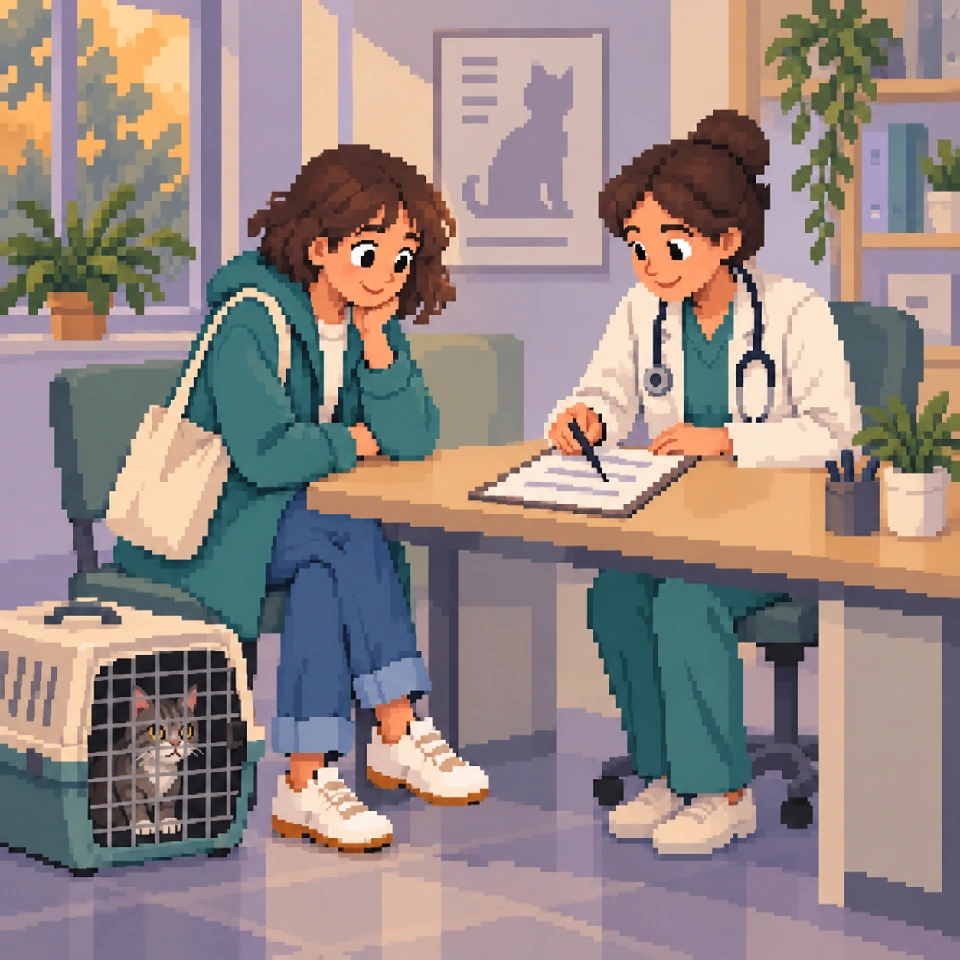
Ask directly about the risks of each option, the operation’s price and the care needed afterwards. If the pregnancy continues, ask which complications to watch for and whom to call at night. Trying to end a pregnancy at home with hormones or other medicines is dangerous.
Tell the clinic the cat was found and her owner is still unknown. Before planned surgery, establish who must sign consent and what paperwork is needed. If her life is at risk, discuss emergency treatment with the vet immediately.
If you’re waiting for kittens
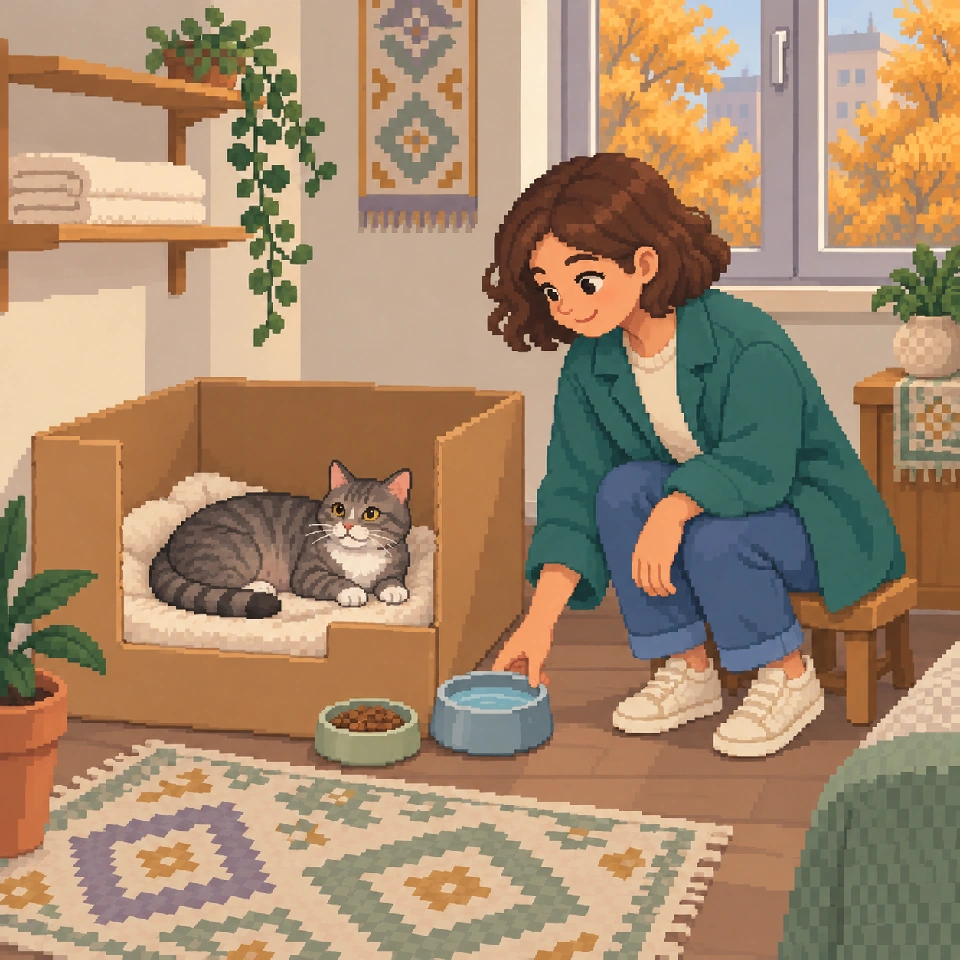
Plan check-ups and the birth with your vet. The cat needs a quiet, warm, draught-free place: a roomy box with a low entrance and clean bedding. Set it out early so she can get used to it, and keep other animals out.
Food needs increase during pregnancy and nursing. A complete kitten food or a diet for pregnant and nursing cats is usually suitable, as VCA vets explain. Change food gradually and discuss portions with the vet. Keep water available; don’t add vitamins or calcium without advice.
Keep her indoors and away from unneutered males: she can become pregnant again soon after giving birth. Discuss the timing of spaying after the kittens are weaned.
When birth needs a vet
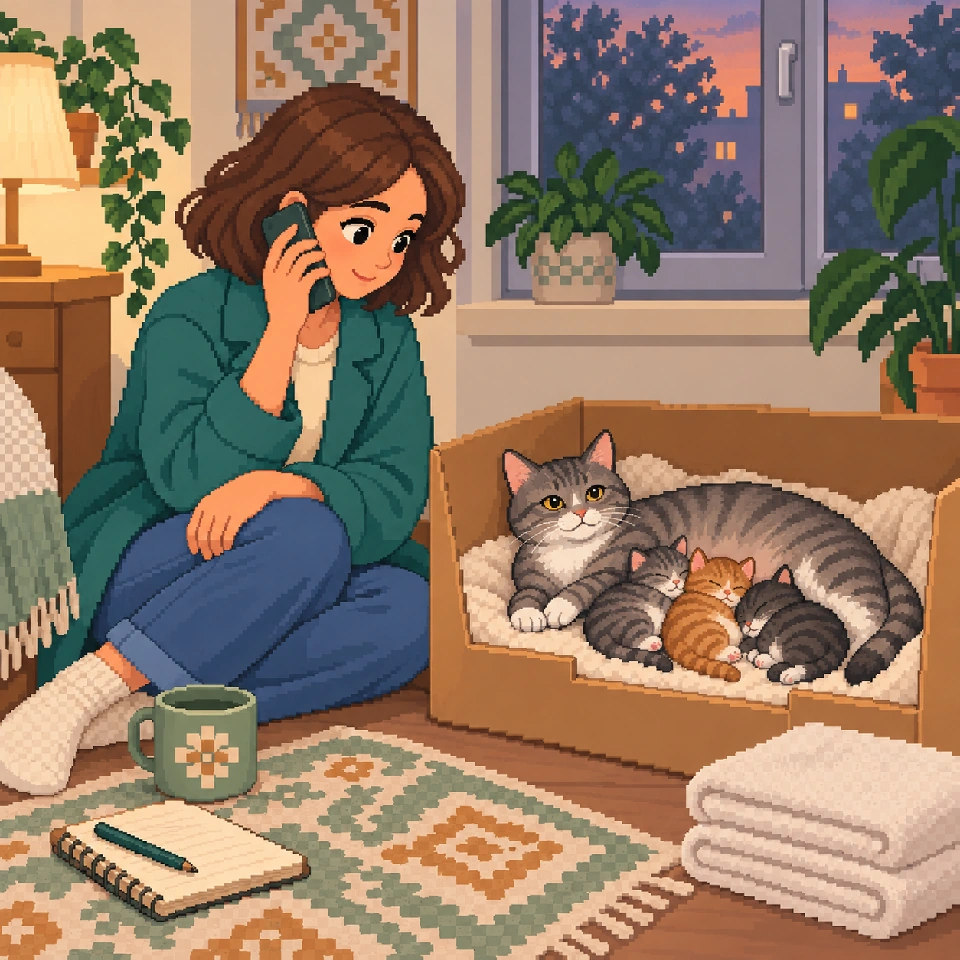
Save a night clinic’s number in advance. Call a vet after over 30 minutes of strong straining without a kitten, an hour since the last kitten with no next arrival, greenish discharge before a kitten, heavy bleeding, severe weakness or pain. A stuck kitten also needs urgent help.
Do not pull a kitten out or give medicines to increase contractions yourself. Tell the vet when straining began, whether any kittens have arrived and what discharge you can see.
Kittens usually start nursing straight away. If they haven’t fed within half an hour, gently guide them to a teat; call the vet if that doesn’t help. Constant crying, cold or weak kittens, a mother refusing food or a hot, painful mammary gland also need attention. Track weight gain. Kittens should stay with their mother for at least 8–9 weeks; discuss moving homes and vaccines at a check-up.
If you’ve found a dog

A dog also needs a separate quiet space, a vet examination and a search for its owner. Keep your cat behind a closed door for now: even a dog friendly with people may chase it. Supervise first meetings with children, and leave a dog alone when sleeping or eating.
In a puppy with unknown vaccinations, vomiting, diarrhoea and weakness need prompt attention: parvovirus is one dangerous possible cause. Warn the clinic before arriving so they can receive you separately.
The vet will choose appropriate tests, parasite treatment and vaccines for a dog. Until the first examination, avoid communal dog areas and close contact with unfamiliar dogs: you don’t yet know the newcomer’s vaccination history.

Ask at the appointment how to handle toileting before vaccination and whether walks can begin. The answer depends on age, health and the walking area; puppies and adult dogs may need different arrangements. Outside, keep the newcomer on a lead and check the harness fits securely.
Once the vet allows contact, start with short, calm meetings at a distance from your own dog. Ideally, each has a separate handler and room to move away. Keep bowls, treats and favourite toys separate at first: they can trigger conflict.
Introduce a cat separately under supervision, with escape routes and hiding places the dog cannot reach. Do not leave them alone together until you are confident about both animals’ behaviour.
Introducing cats

At the follow-up appointment, discuss when separate housing can end. Symptoms, treatment and test results all matter. FeLV spreads through close contact; FIV mainly through deep bites. A diagnosis affects how cats can live together.
Once the vet gives the go-ahead, start with scent: swap bedding, then arrange short meetings through a secure barrier. Each cat keeps its own bowls, litter tray, resting place and a way to leave. Gradually extend supervised meetings.
If one cat stops eating, hides constantly or blocks the other’s path, slow down and return to the previous stage. Do not punish hissing or force them to stay together. Getting used to each other can take weeks or months.
Planning the costs

The first costs are a carrier, a space at home, an examination and the treatment the vet recommends. Food, parasite control, vaccines and neutering follow. Illness may add repeat appointments and inpatient care.
Ask for the plan in three parts: urgent today, the next few days and things that can wait. Put a price beside each item. If you cannot afford everything at once, say so during the appointment so you and the vet can set priorities.
If keeping the animal turns out to be impossible, look for foster care while continuing to find its previous owner or a new home. Give the next carer test results, prescriptions and your health notes. Explain which treatments have already been given and when follow-up visits are due.
Where to start today

▫️ Check breathing and injuries, and look for young animals nearby. Call a clinic immediately if the animal is seriously unwell
▫️ Find a carrier or safe dog restraint and arrange an examination
▫️ Keep the newcomer separate from other animals until the vet allows contact; offer water and record symptoms
▫️ Get a treatment, testing and follow-up plan with doses and dates
▫️ Report the find within three days and keep looking for the owner.
Save this guide to revisit before an appointment or an introduction. Tell us in the comments how the first days went with your rescued pet.

Does a former stray cat or dog live with you? Tell us about your first days together