You could go to Samarkand for a paper workshop, to Rishtan for ceramics, or to Nukus for a whole day at the museum. Some of these trips fit into a weekend, so there is no need to wait for a long holiday. The next questions are how to arrange it and how much to set aside.

Cheap tickets seem a good place to start. But a train arriving close to midnight can add a hotel night, while an inexpensive room on the outskirts can add taxi fares. We have put together five routes from Tashkent with those details in mind: what to see, how long to stay and where to cut costs. There are a few ideas for day trips, too.
A day out, a weekend or a short holiday
If you have just one day, consider heading towards Khojikent, Parkent or Chinorkent. Suburban train fares are in the transport section below. Add the journey from the station to your destination, especially if you are going to a resort or cable car.
Samarkand or Bukhara work for two days with one overnight stay. Allow three days for Kokand, Rishtan and Margilan; for a weekend, choose two of them. Give Termez two or three days, and Khiva and Nukus four days together. These are days at your destination: for train trips to the south or west, add the travel days.
Each of the five routes below has a theme. Choose the one that makes you want to go, then look for both outward and return tickets. Arrival and departure times will show how much of the plan you can fit in. All long-distance examples start in Tashkent; recalculate that part if you are setting off elsewhere.
Samarkand: handmade paper and time in the city
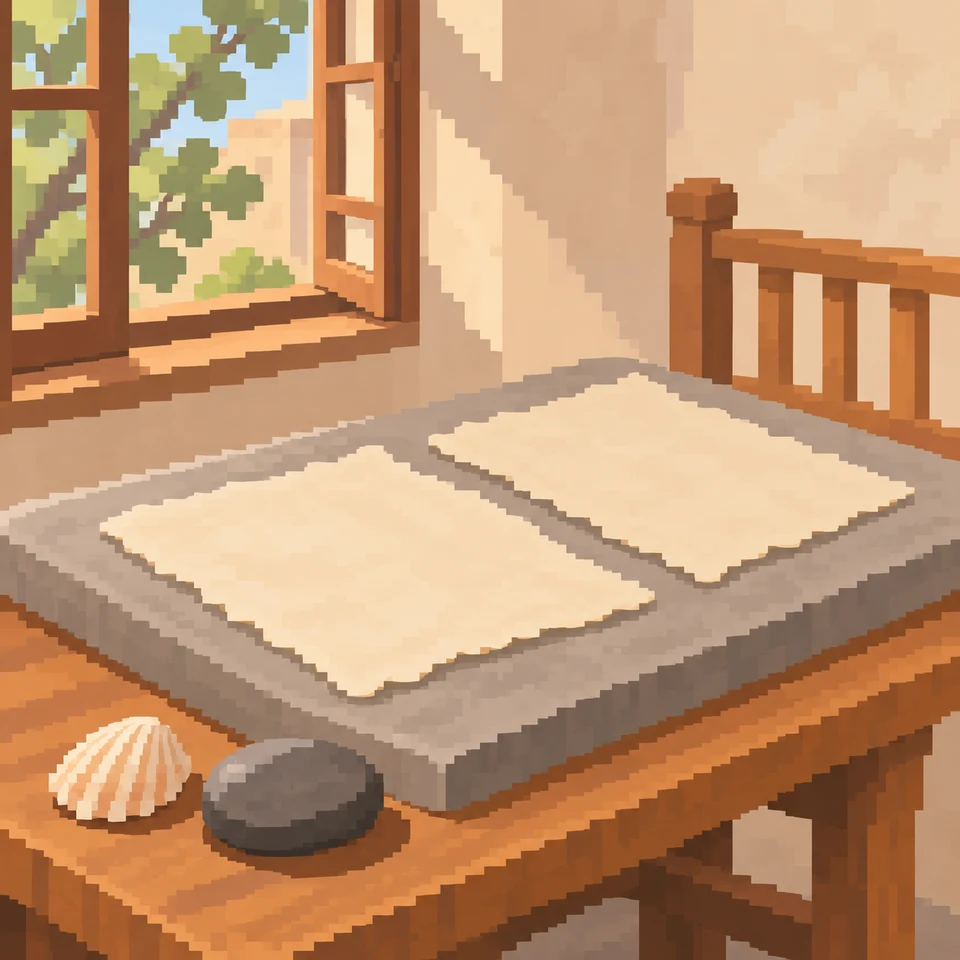
If you have already seen Registan, leave Konigil for your next visit. Just outside Samarkand, it is home to the Meros paper factory. Paper is made by hand without chemical bleaching, which gives it a yellowish colour. There is a waterwheel and a workshop on the grounds, with the Siab running nearby for a walk after the visit.
Two days work well for this route. Spend the first in the city: have lunch, browse Siab Bazaar and walk through the surrounding neighbourhoods. For Samarkand’s history before Timur, visit the Afrasiab Museum. Leave the second day for Konigil and return to Tashkent in the evening.
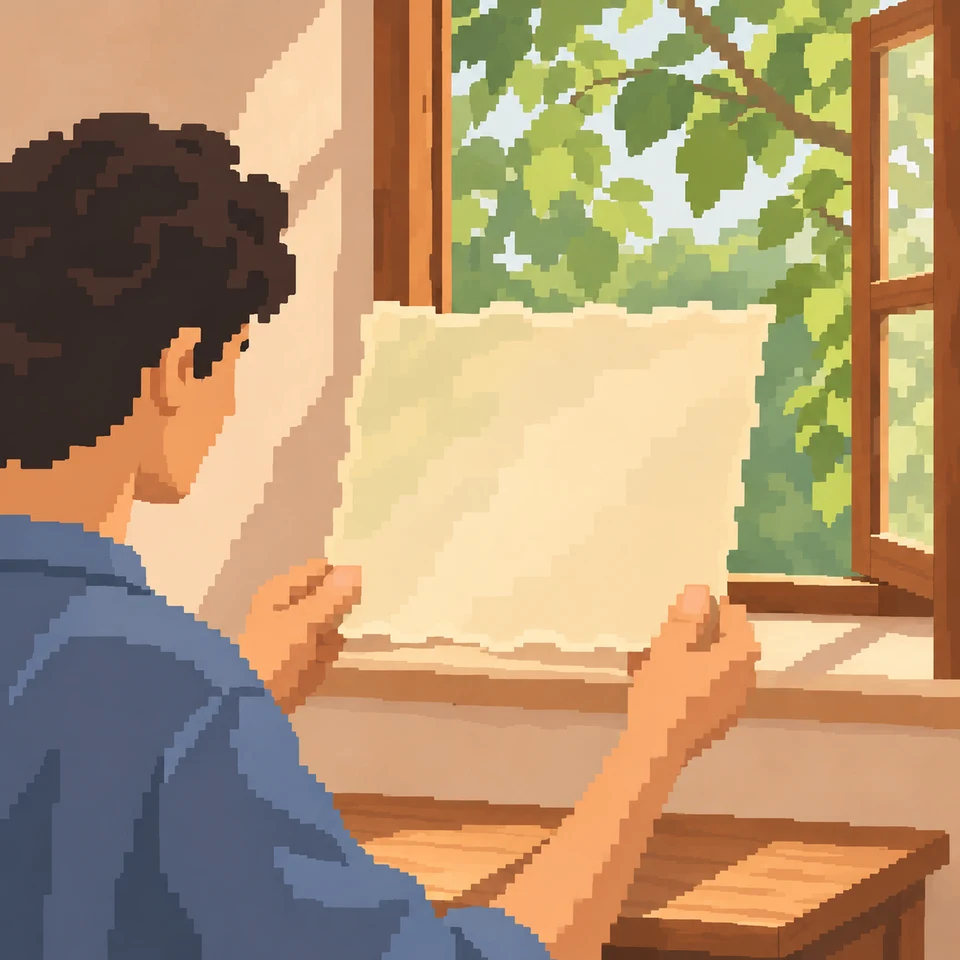
For the workshop visit, arrange two things: when you can see the paper being made and how you will get back to the city. Ask about the visit’s price and length, then compare a car that waits with two separate rides. Choose the return train with that outing in mind.
Kokand, Rishtan and Margilan: ceramics and adras

The Fergana Valley offers a chance to see how familiar objects are made: clay becoming a patterned plate in Rishtan, silk thread becoming fabric in Margilan. The Yodgorlik factory shows production from cocoon to finished cloth; in Rishtan, you can choose a craft centre or home workshop.
For three days, take the train to Kokand and spend the first day at Khudoyar Khan’s palace and in the old town. Visit Rishtan and continue to Margilan on day two, then spend the third day on textiles before going home. Look for a return ticket from Margilan. If suitable services only run from one city, compare this with staying in one place and taking day trips.

For a weekend, choose one craft and two cities. A workshop visit takes longer if you want to ask questions or try making something yourself. Watching the process and taking a pottery class may have different prices. If you make a ceramic piece, ask whether firing is included in the price, when you can collect it and whether it can be sent home.
Travel within the valley can make a noticeable difference to the budget. When speaking to a driver, describe the whole route, including the Rishtan stop and waiting time at the workshop. A train may cover part of the journey; check the suburban operator’s timetable and arrange the connection from the station.
Bukhara: the old town and the story of its water
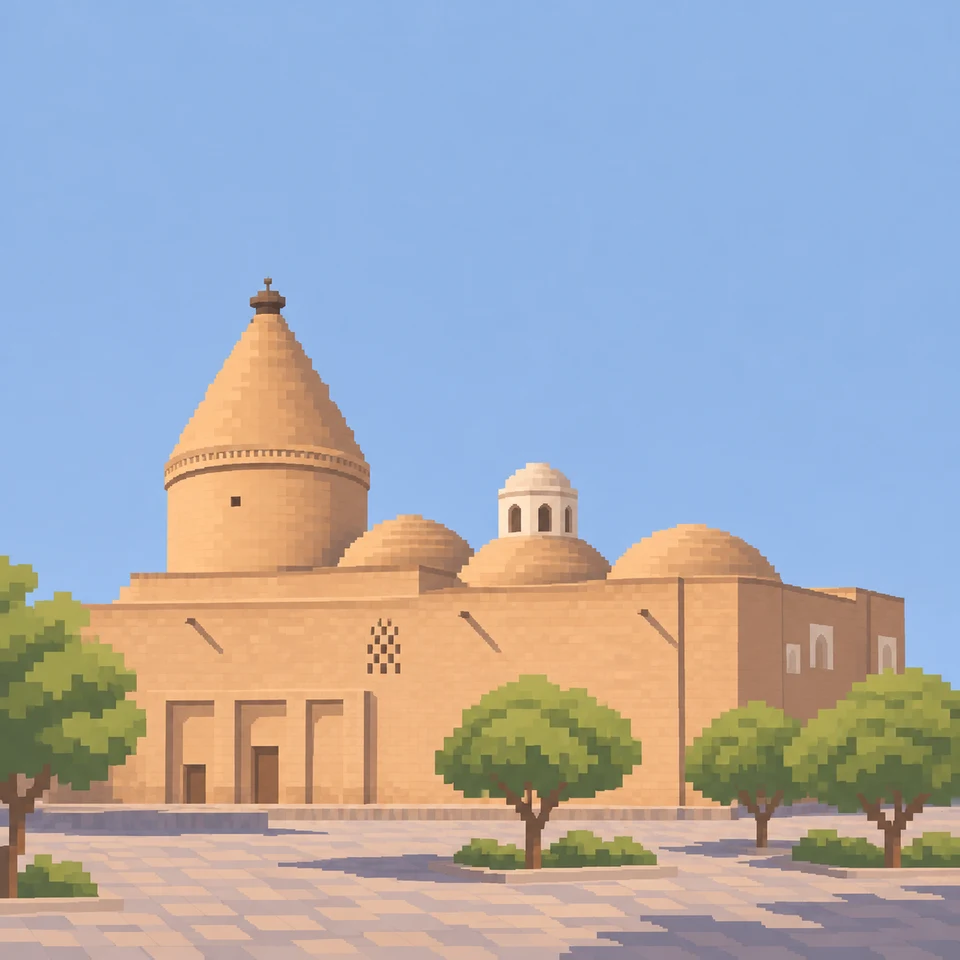
A walk through Bukhara can start with a question that comes naturally in a city surrounded by desert: where did its water come from? Begin at Lyabi-Hauz, then walk through the trading domes to Poi-Kalon. That makes a first-day route on foot through the old town, with stops for lunch and the buildings along the way.
Continue the story at the water-supply museum in Chashma-Ayub, which explains how the Bukhara oasis was supplied with water. Look at the building itself, too: its four rooms have different domes. After walking through the city, it is easier to connect the museum’s account with the pools and structures you have seen.
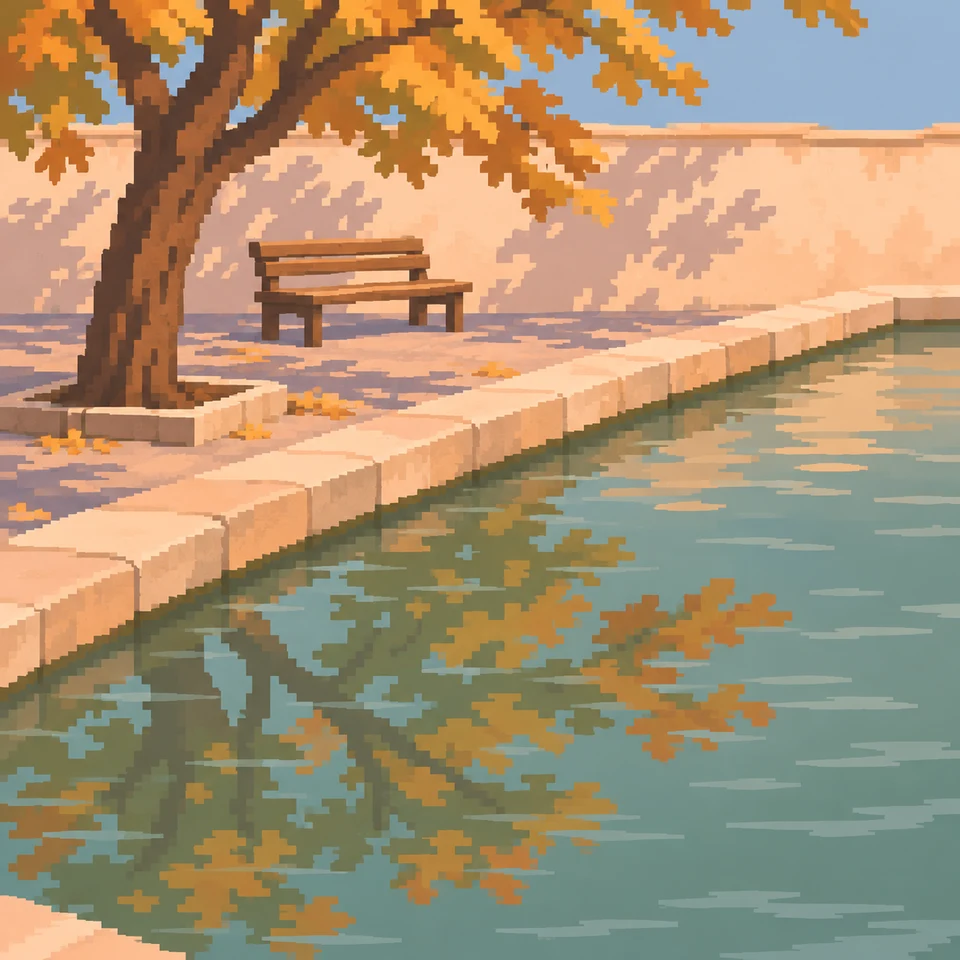
For more detail, hire a guide for part of the route and ask in advance for a walk about the history of water. If travelling as a group, request the total price and length of the tour. You can spend the rest of the day on your own, returning to places that caught your interest.
When choosing accommodation, remember that Bukhara-1 station is in Kagan. You will need a transfer into the city. Staying within walking distance of your route can save daily car journeys; check the location of the actual property rather than the general “Bukhara” search label.
You could add Gijduvan and its craft workshops. Allow another day for it, as the outing would otherwise take up a substantial part of a two-day visit to Bukhara.
Termez: from museum finds to ancient sites
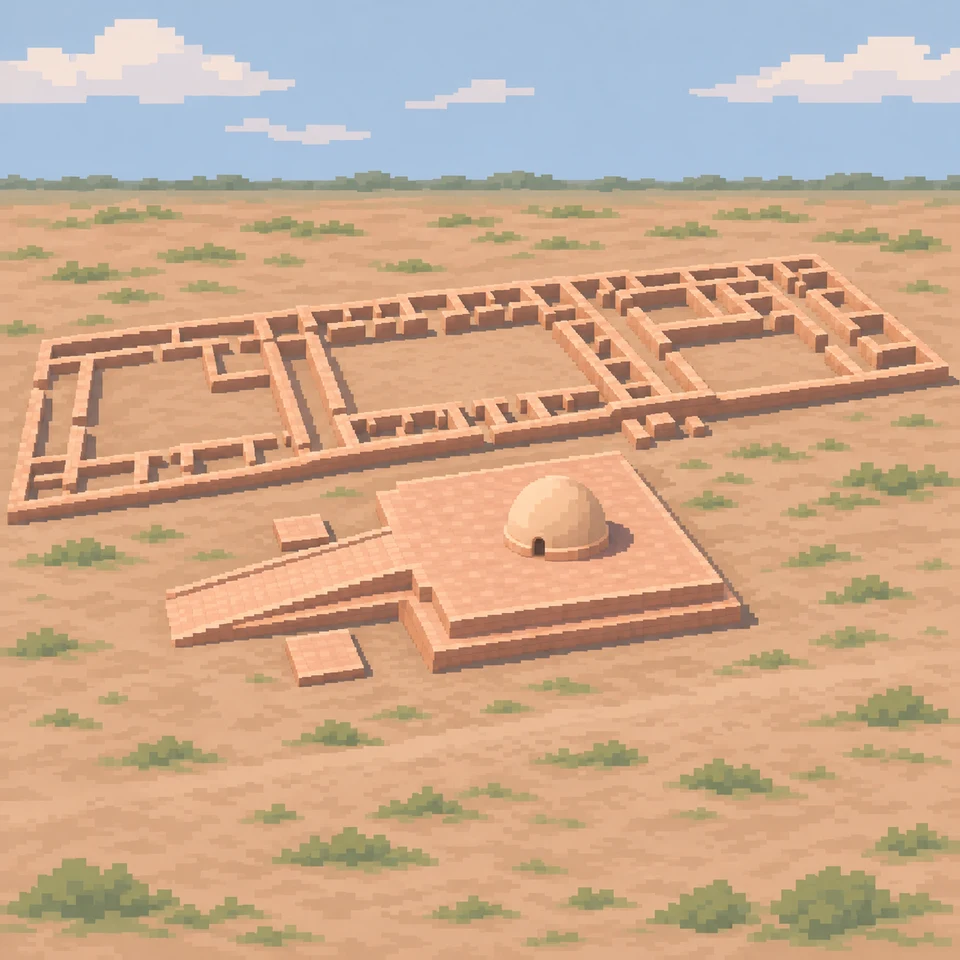
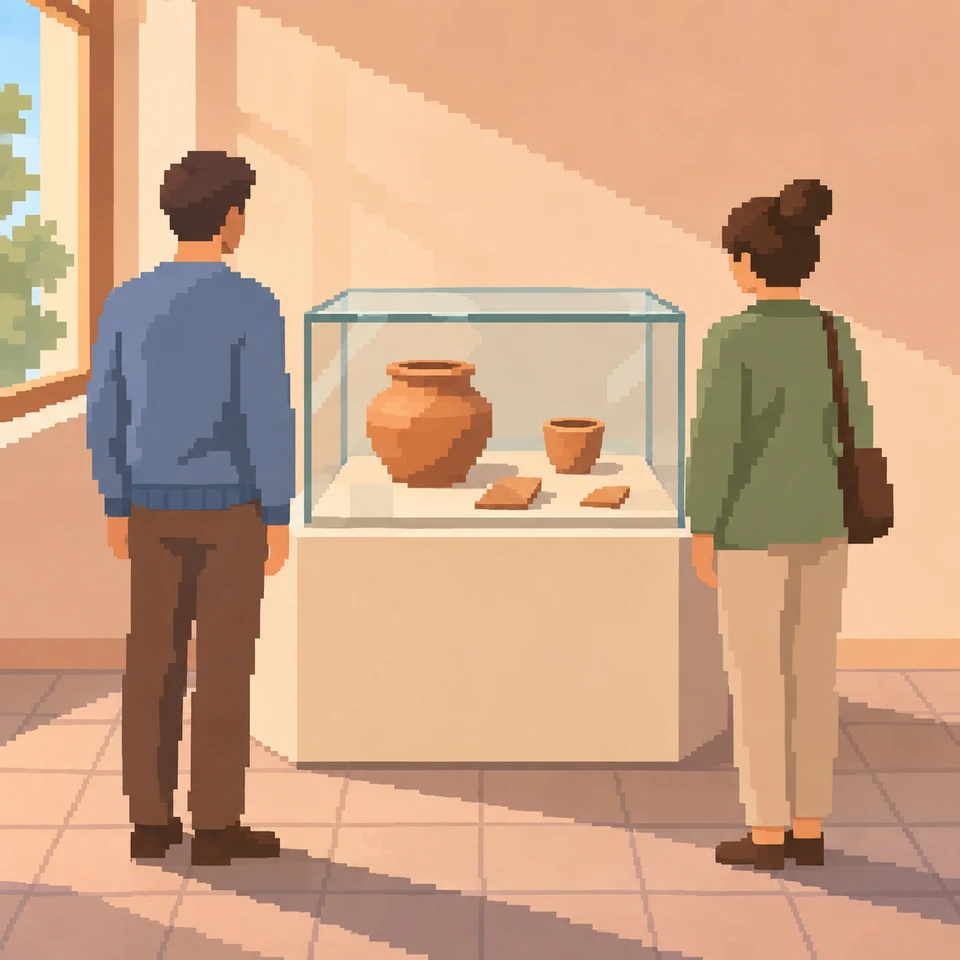
In Termez, you can see archaeological finds first, then visit the place where they were discovered the next day. The archaeological museum and the Buddhist complex of Fayaztepa make a good pairing. The museum helps explain the periods and the layout of the ancient city before you stand among its surviving walls.
Fayaztepa contained a temple, monastery and service courtyard. Among the finds was an image of the Buddha known as the Triad. According to the tourism portal’s description, the original is held at the State Museum of the History of Uzbekistan, while the Termez archaeological museum holds a copy. If that is why you are visiting, ask whether it is on display. At the site itself, you can trace the arrangement of rooms and the courtyard.
Spend the first day in the museum and city, and the second at Fayaztepa and one other site. The Sultan Saodat mausoleum complex, for example, introduces the Islamic architecture of Termez. Allow a third day for a more extensive trip around the area.
Price the trip out of town as a whole: car, stops, waiting time, entry fees and return journey. A group can share the total. If travelling alone, look at group tours and compare the sites and visits they include.
The journey from Tashkent takes up a substantial part of this trip. Add the train journey to your two or three days in Termez, checking the arrival date after an overnight service. Then compare it with flying: paying more could save a day at your destination. Include baggage and journeys to the airports in that comparison.
Khiva and Nukus: carved wood, palace rooms and the Savitsky Museum
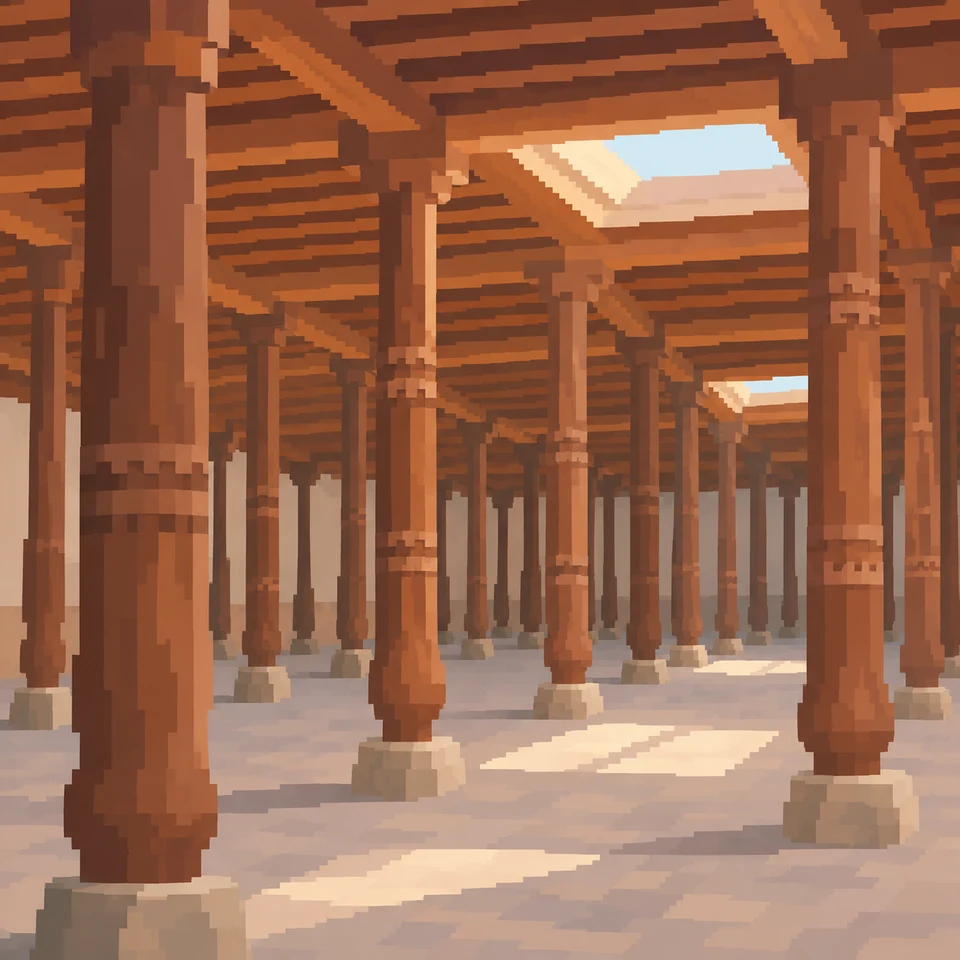
In Khiva, start with Ichan-Kala and the Juma Mosque with its wooden columns. Spend some time on the carving: choose a few columns and look at the differences in their patterns. Leave the first day for Ichan-Kala and visit Nurullabay Palace on the second.
The palace has parquet floors, painted ceilings, porcelain stoves and ceremonial halls. After the Juma Mosque, the change in the interiors is particularly striking. Before visiting, check which museum sites are included in Khiva’s combined ticket and which need separate admission. A guided tour may also cost extra.
Use the third day to travel to Nukus and the fourth for the Savitsky Museum. Browse a selection from its collection beforehand and choose what you would like to see, such as Vasily Lysenko’s “Bull”. Ask whether a particular painting is on display, and check opening hours before buying tickets to Nukus. We allow a day for the museum so you can spend longer with works you like.
You can reverse the route, starting in Nukus and finishing in Khiva. Compare both orders when looking for tickets, including the journey between the cities. Going home from the last city avoids having to return to the first.
Khiva is served by the Jaloliddin Manguberdi high-speed train: the railway announced its launch in May 2026. Compare it with an overnight train and a flight to Urgench. If flying, you will still need to get to Khiva.
There is a rail option from Urgench Airport. A Ministry of Transport notice dated 3 September 2026 lists departure at 08:40, arrival in Khiva at 09:22 and an adult fare of 25,000 soums. The return service runs from 21:00 to 21:42. Before buying a flight, check the train for your date and allow time between landing and departure.
Plan Muynak and the Aral Sea shore as a separate extension, with additional days and transport.
A few days in a village guesthouse
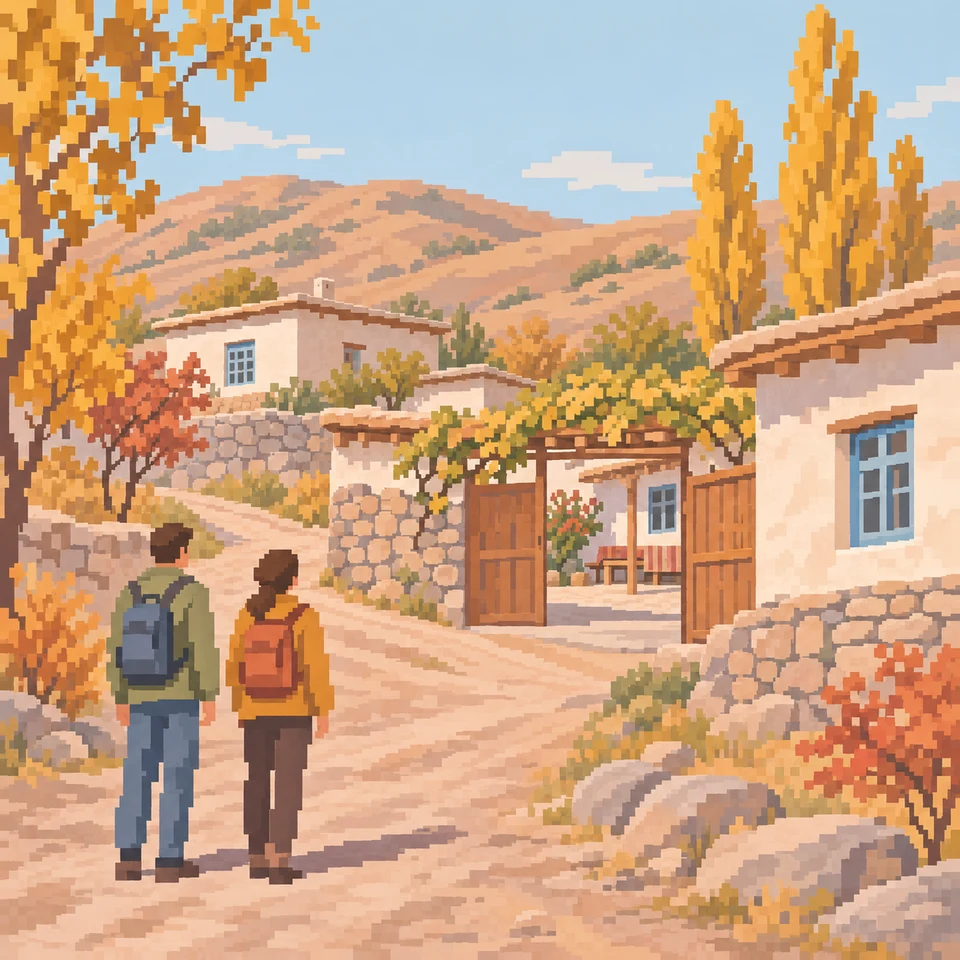
Beyond the city routes, you could spend a few days in a guesthouse. The Nuratau Travel directory lists homes in Sentob, Hayat, Uhum and other villages. Some are several kilometres from the main road, so start by asking the hosts where they will meet you and how you will get back.
Request a quote for your dates and group size, including accommodation, meals and transfers. Add a walking guide separately if you want one. In cold weather, ask about room heating and the location of the shower. You can then see the cost of the whole stay.
The season matters, too. A workshop or large museum can be a good choice for colder months. Mountain walks need suitable weather and enough time before dark. Once you have chosen your destination and activities, you can move on to tickets.
Train, plane or bus: comparing prices and times
Look for railway tickets through the official service. Alongside Afrosiyob, check Sharq, Nasaf and through passenger trains. Compare arrival times and seat or berth types. Check the station, too: departures from Tashkent may use the North or South station.
Samarkand shows how arrival time changes the choice. When checked on 10 November, Sharq 710Ф for 14 November cost 300,560 soums: departure from the North station at 08:37, arrival at 11:46. Evening service 712Ф cost 200,060 soums but arrived at 23:41. That saves 100,500 soums and leaves almost 12 fewer hours in the city.
For the same date, an open-plan sleeper berth was available for 142,980 soums, arriving at 20:14; some later services arrived after midnight. For a trip limited to the weekend, a morning arrival leaves more time to explore.
The return Sharq 709Ф for 15 November, 19:23–23:06, was listed at 300,560 soums. Together with morning service 710Ф, that came to 601,120 soums per adult for the two train tickets. Accommodation, food and Konigil cost extra. These are examples found for specific dates; calculate your own trip using available services.
For longer routes, check flights as well. The Uzbekistan Airways fare table effective from 16 October 2026 lists minimum one-way fares from Tashkent of 201,062 soums to Samarkand, 241,274 to Bukhara, 361,911 to Termez and 442,336 to Urgench or Nukus. These are published minimums; a flight search will show the available price for your dates.
Add airport journeys and the baggage you need. The LITE fare includes one piece of hand luggage up to 8 kg and no checked baggage. If bringing back ceramics or taking a large suitcase, compare fares with baggage from the start. Check date-change conditions if your plans may still change.
When there is no suitable train or the station is far from your destination, check buses. Tickets are sold on Avtoticket, a service listed by the Ministry of Transport. Include boarding and drop-off points, journey time and baggage rules in the comparison.
For day trips, suburban trains can be useful. The operator’s table effective from 16 October lists adult fares of 10,000 soums to Khojikent or Parkent and 30,000 to Chinorkent. Choose the outward service together with the return journey and the connection from the station to your walk.
Overnight trains and check-in dates
A night on the train can replace a hotel stay, but sometimes early check-in adds to the cost. If you arrive at four in the morning, ask when the room will be ready, whether you can leave your bags and what an early check-in costs. Include that charge in the comparison.
An arrival after midnight can make the booking date confusing. Suppose the train arrives at 01:09 on Sunday and you want to go straight to bed. You need to arrange arrival during the Saturday-to-Sunday night: a booking starting on Sunday may only begin that afternoon. Agree on the late arrival before paying.

Think about how you usually sleep while travelling. If an open-plan sleeper leaves you needing half a day to recover, a more comfortable berth may be worth more than another outing, especially on a two-day break.
Where to stay alone or with friends
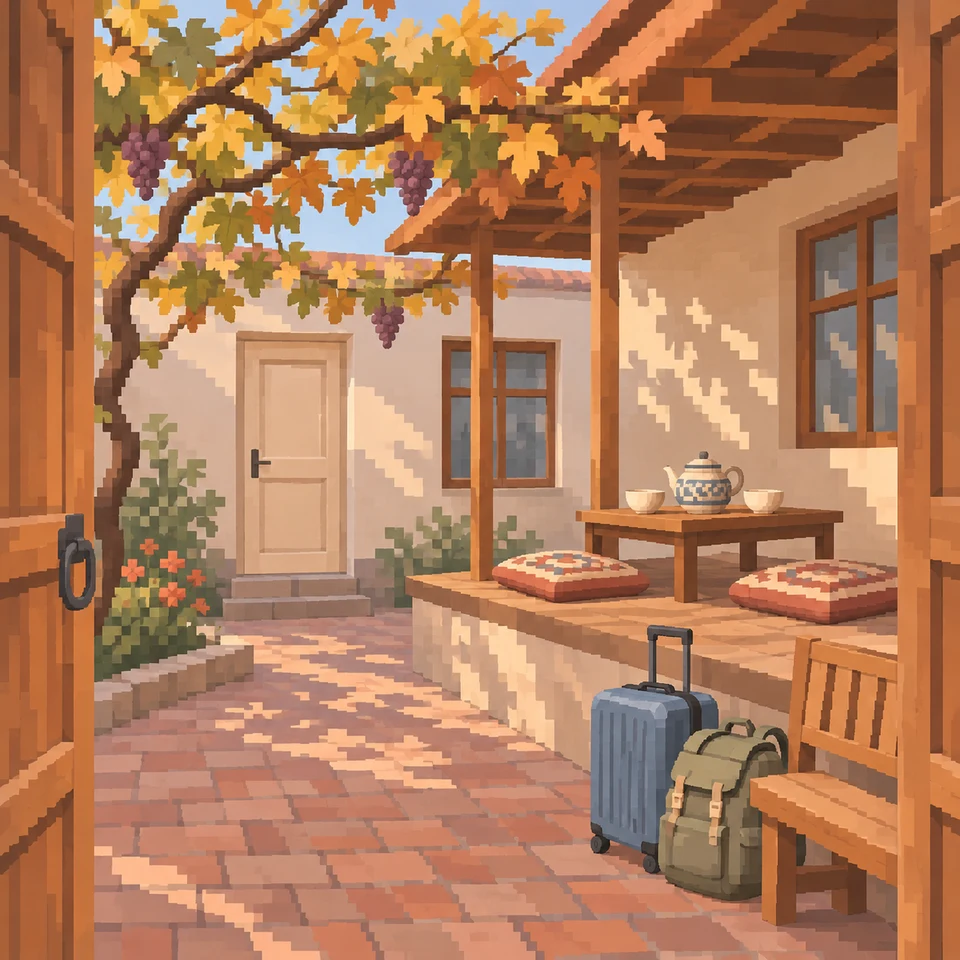
Once arrival and departure times are clear, accommodation is easier to choose. Look at the route from the actual property to your planned stops and the journey back in the evening. If a cheap room adds paid trips every day, compare it with somewhere closer, including transport costs.
Check what the price covers: a bed, a person with meals, or a whole room. Suppose a room costs 300,000 soums a night. That is 150,000 each for two guests, but 300,000 if you use it alone. This is an illustration, not a quoted room rate.
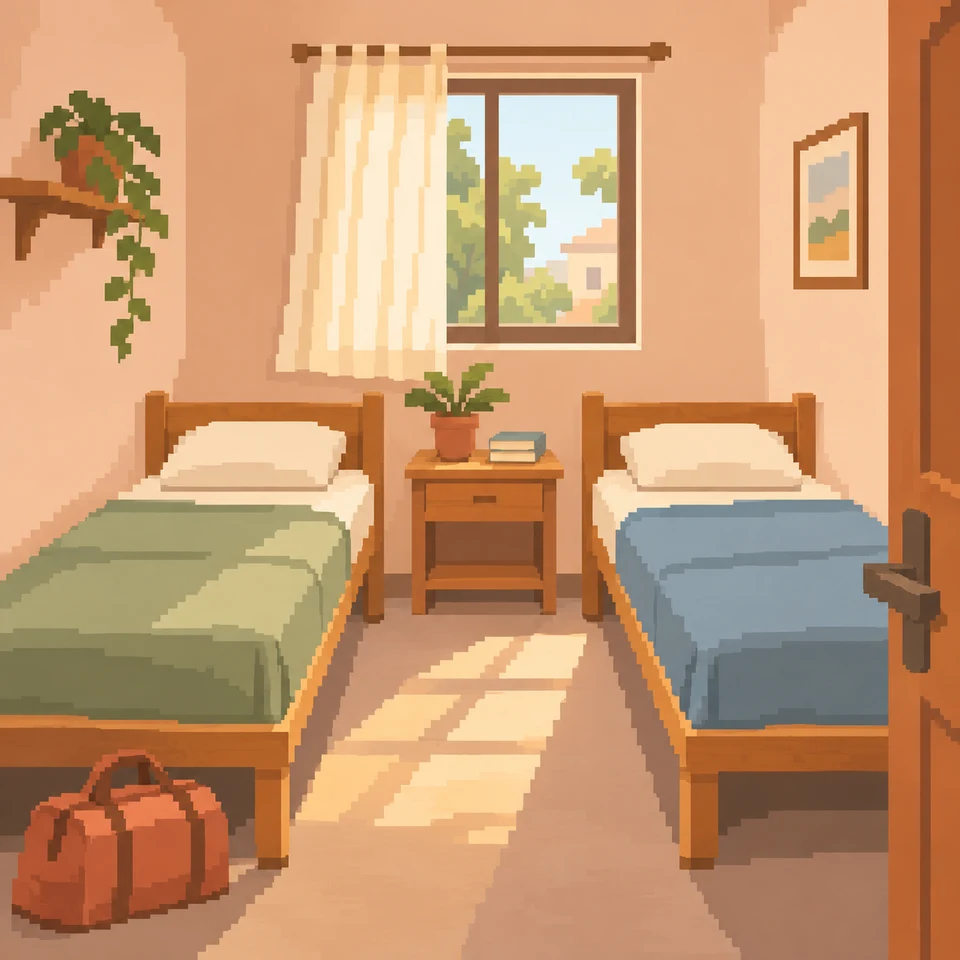
Breakfast and other services may be included. Check bathroom arrangements, heating in cold weather, extra charges and cancellation terms. For an early departure, breakfast hours matter too: hosts may be able to pack food to take away, but you need to arrange it.
Cars and tours work similarly: the total is shared by the people going. Ask the driver for the whole route’s price, including stops, waiting, baggage and the return journey. A ride “to Rishtan” can cost a different amount from a workshop visit followed by travel to Margilan.
Working out the whole trip’s budget

By now you will have outward and return tickets, the number of nights and a rough plan at your destination. Add local journeys, visits and meals. Keep shopping separate, so a cup from Rishtan or a length of adras does not quietly take money set aside for transport.
Distinguish a price you have found from the amount you hope to spend. In our search, for example, return tickets to Samarkand cost 601,120 soums per adult. A hotel allowance still needs to be matched to an actual room. This makes it easier to see where you need cheaper options.

Keep a separate allowance for unexpected costs. A mostly walking-based visit to Bukhara and an outing with a driver outside Termez have different reasons for going over budget.
If taking your own car, include fuel, parking and other road expenses, as well as time behind the wheel. A car may work out well for a group; alone, you cover the entire cost.
If the trip costs more than you want to spend
Start with the largest expenses. You could change the departure, remove an extra transfer, choose different accommodation or shorten the route by a day. Keep the reason you wanted to go: the workshop, museum or walk. Removing that would leave you with a different trip.
Before paying for tickets and accommodation, contact the workshop or guide to confirm the meeting time. For a weather-dependent outing, find an alternative in town. Leave the remaining time free to return to a courtyard you liked, linger over lunch or take your time before the train.