
A grey coating on the windowsill, haze over the road, the smell of smoke on a cold evening: we tend to group all of this under “bad air”. Yet it comes from different sources. Wind carries some dust from far away, more rises from bare ground within the city, and heating and vehicles add particles from burning fuel.
Each source calls for a different response. A dusty site beside your home can be cleaned up; winter smog needs changes to heating and transport. On particularly polluted days, those citywide problems become personal questions too: how to get to work, take a child outside and keep more dust out of the flat.
What we breathe in with the dust
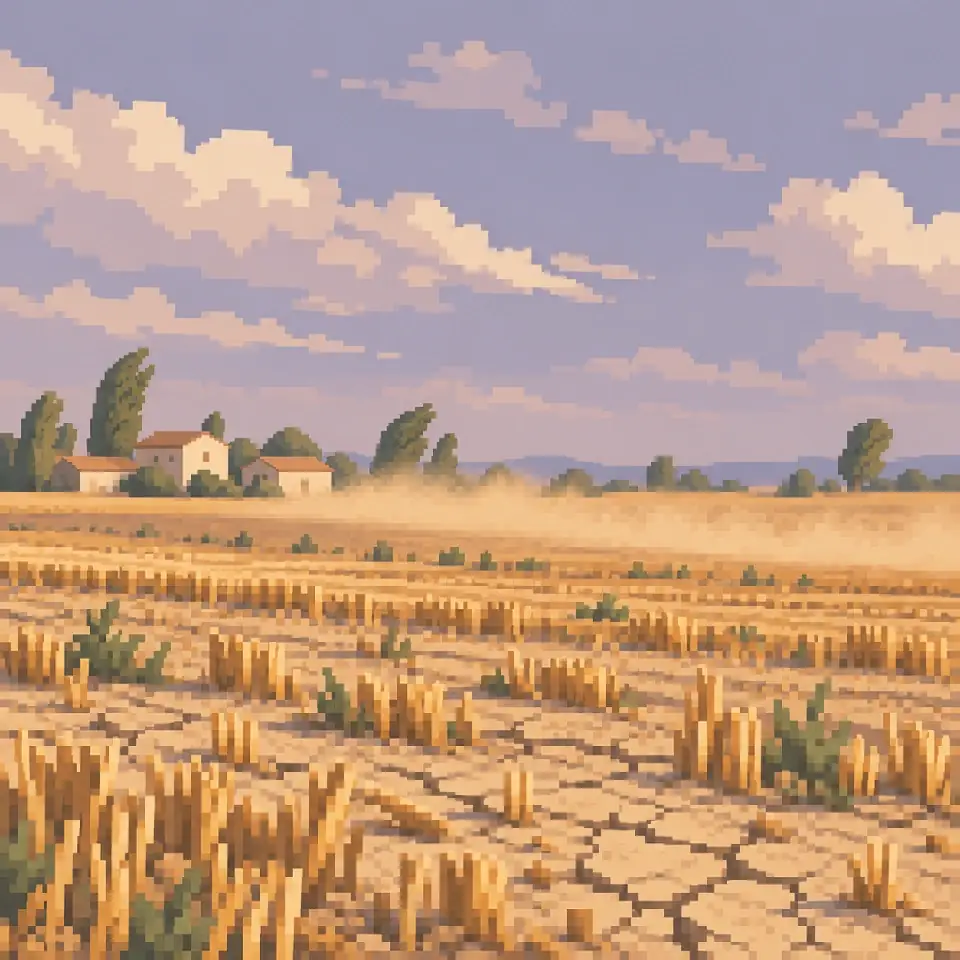
Soil and construction dust, soot from burning fuel, and particles worn from tyres and brakes rise into the air and mix. Some settle quickly on cars and windows. Smaller particles stay suspended for longer and enter our airways as we breathe.
Air monitoring groups particles by size. PM10 means particles up to 10 micrometres across, and PM2.5 means particles up to 2.5 micrometres. Both groups include dust from different sources. Fine particles also include substances formed in the atmosphere through chemical reactions between gases.
PM2.5 reaches deep into the lungs. Long-term exposure to polluted air increases the risk of cardiovascular and respiratory disease; the WHO describes these effects in its guidance. A dusty day can trigger an asthma flare-up. The pollution we breathe over months and years also matters for our health.
Fine particles are difficult to judge by eye. Instruments measure their concentration: how many micrograms of particles a cubic metre of air contains. Stations record this even on clear days. Measurement methods have changed over time, which shapes what we know about the air in earlier years.
Was the air cleaner before?

Tashkent has air-monitoring records from long before apps with colour-coded indices. The UNECE environmental review published in 2001 describes pollution exceeding limits in the city during the 1990s. It also records problems with equipment and the quality of monitoring.
The network then relied largely on samples taken manually several times a day. Its tables recorded total suspended dust; PM10 and PM2.5 were not regularly measured separately, as the 2010 review explains. The old “total dust” measure and today’s size-based categories are different indicators.
Fine-particle data became available later. The 2020 review includes PM2.5 figures for 2012–2014. The World Bank study uses automatic monitoring from the US Embassy station starting in May 2018 and two Uzhydromet stations from March 2021. Automatic stations show seasonal changes in detail.
Pollution was recorded in Tashkent decades ago too. A precise comparison with what we breathe today would need a longer series of comparable measurements than we have. Current data does allow us to examine which sources contribute most to fine particles.
Where the pollution comes from
A World Bank study prepared with Uzbek agencies estimated how much each source contributed to Tashkent’s annual average PM2.5 concentration in 2021. Dust arriving from outside the city made up the largest share; heating led among urban sources.
These percentages describe fine particles in the city’s air. Researchers modelled emissions, wind transport and dispersion to calculate them, using estimates where local observations were scarce. The model describes 2021. Its external dust category includes particles from surrounding land, including fields, while construction and road dust are grouped together.
Those annual shares hide substantial seasonal differences. In the same model, heating’s contribution approached 45% in some winter months, while external dust accounted for more than half in June. This helps explain why bad air can feel so different: smoke from burning fuel is more noticeable in winter, dust during dry and windy spells.
Why smoke lingers over the city in winter
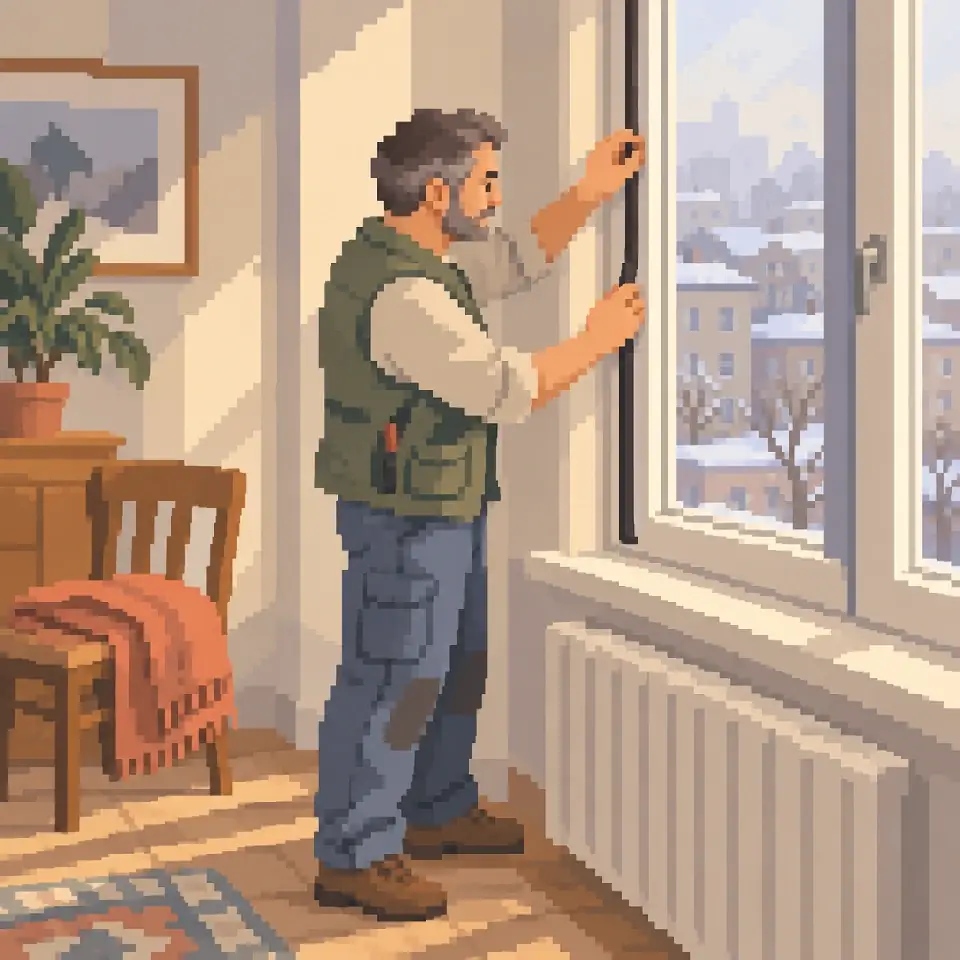
As the weather turns cold, more fuel is used to heat homes and workplaces. How many particles reach the air depends on the fuel, the condition of the stove or boiler, and emission controls. The more heat escapes through windows, walls and worn-out district heating networks, the more fuel has to be burned.
On a clear, calm night, the ground cools, along with the air just above it. A warmer layer can remain higher up. This is a temperature inversion: the colder air below mixes poorly with the air above, allowing emissions to build up.
Light winds also slow horizontal transport. Heating systems, vehicles and factories keep operating, while particles linger near the ground. Uzbekistan’s environmental agency describes this mechanism in Tashkent’s winter pollution episodes.
Strong wind disperses the accumulated haze. But as it crosses dry, bare ground, it can lift fresh dust and carry it over long distances. Wind can carry that dust into the city from far away.
Dust from far away — and dust from next door
On the evening of 4 November 2021, windblown dust engulfed Tashkent. Distant buildings and trees disappeared behind it, and a satellite recorded dust over several Central Asian countries. Researchers later traced the storm to an area in southern Kazakhstan, about 150 kilometres from the city.
Drought had dried the soil on cropland and pastures there. Strong northerly winds behind a cold front lifted particles and carried them towards Tashkent. After the dust arrived, winds weakened; poor mixing helped it linger for several days.
Similar episodes recur along different routes. For example, Uzhydromet traced the dust of 22 September 2025 to desert areas of Uzbekistan and southern Kazakhstan. Forecasting therefore needs information about winds and soil conditions well beyond the city.
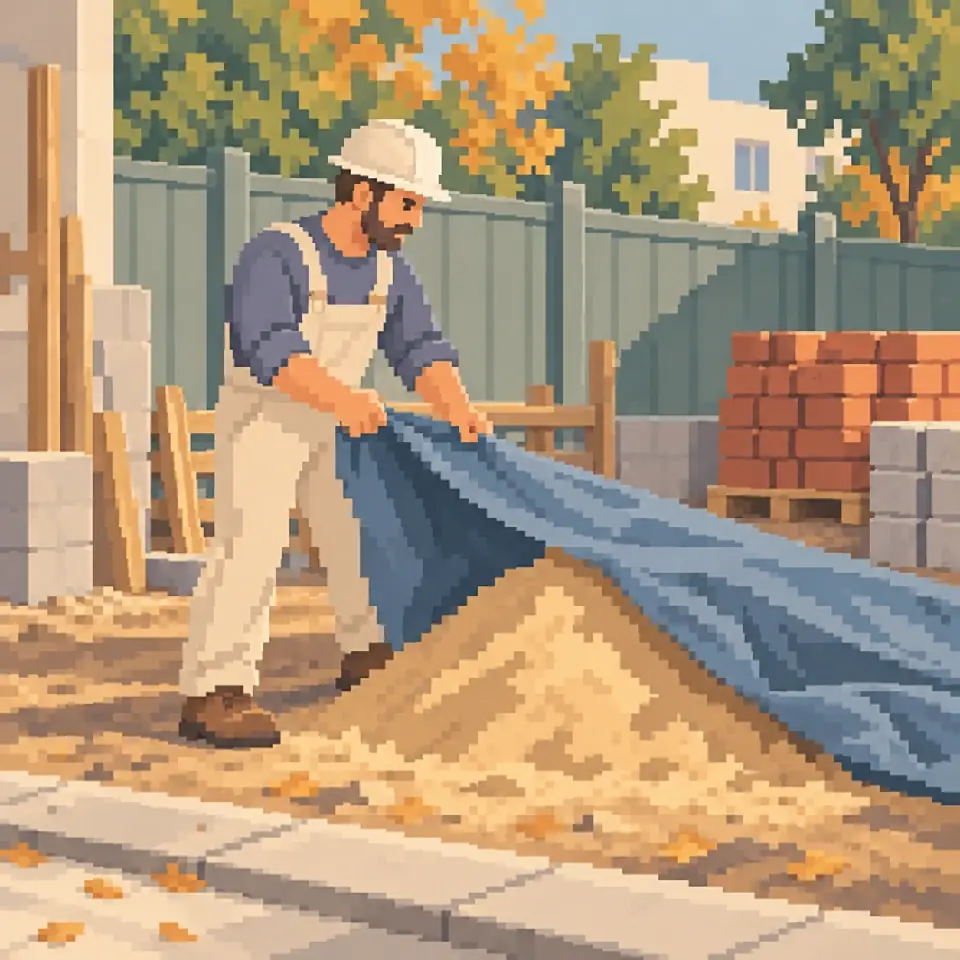
Within Tashkent, local dust adds to what arrives from elsewhere. Bare ground, verges and uncovered loose materials release dust in the wind; traffic lifts particles that have settled on the road. Local measures can reduce this part of the problem: cover materials, wash wheels at construction exits, clean mud from paved surfaces and stabilise exposed ground.
Maintaining a site beside a home can reduce dust around its perimeter. Large dust transport events need forecasts, warnings and work on the land where soil is being blown away. Along city roads, vehicle emissions add to the dust lifted from the surface.
Why the roadside and the courtyard feel different

Vehicles produce particles in several ways: exhaust, tyre and brake wear, and resuspended road dust. An electric car has no exhaust, but it still has tyres and brakes. The mix of vehicles, number of journeys and condition of the road all matter for the air beside it.
Once released, particles travel with air between buildings. On a narrow street lined with tall buildings, airflows depend on wind direction, building height and street width. An unfavourable layout can reduce ventilation — a local effect examined in street canyon research. The studies reviewed here do not include a citywide assessment of how new buildings have changed ventilation across Tashkent.
Tree canopies change those flows too. Leaves capture some particles, while dense canopies on a confined street can slow the dispersal of exhaust. Guidance on urban planting therefore considers street width, traffic and the placement of vegetation.
Shade and cooling from mature trees make walking routes more comfortable. New planting can be planned alongside changes to traffic: preserve mature trees, reduce vehicle flows, clear dusty verges and account for how air moves between buildings.
What would help the city breathe more easily
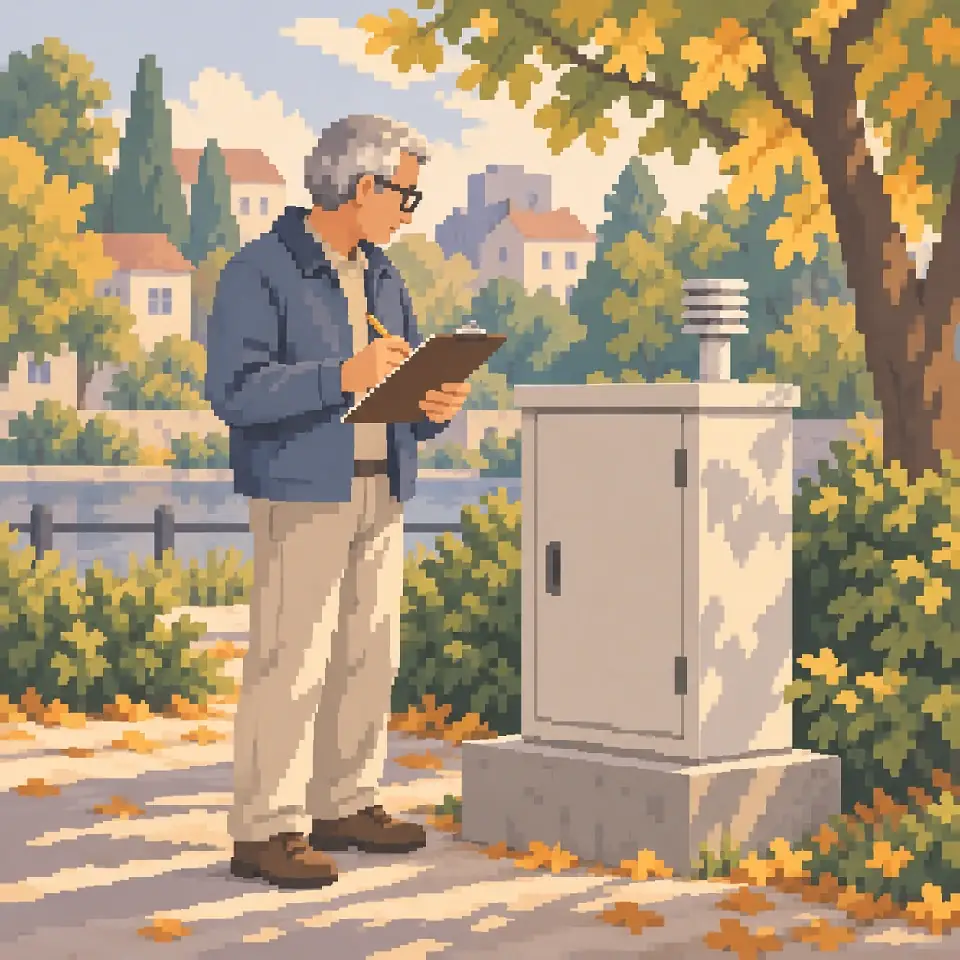
Beyond individual streets, other major sources remain — heating in particular. To upgrade it, households need affordable cleaner equipment and reliable fuel supplies. Insulating buildings and repairing heating networks help retain warmth and reduce the amount of fuel that has to be burned.
The city also needs a convenient alternative to driving. When a bus arrives reliably and gets people to their destination without long delays in traffic, there is a reason to leave the car at home. Fewer car journeys mean less exhaust, wear and dust lifted from the road.
Industrial sites need suitable pollution-control systems and emissions monitoring; construction sites need to manage soil and loose materials. These measures, along with expanded air monitoring, are included in the roadmap prepared for Uzbekistan.
Progress can be assessed by comparing seasonal and annual particle concentrations at comparable stations, along with the length of pollution episodes. Weather needs to be accounted for separately: a windy winter and the replacement of smoky stoves affect those figures in different ways.
Changes to heating and transport take time. Meanwhile, children still need to get to school on dusty days, adults need to get to work, and flats need fresh air. For those everyday tasks, choosing when and where to go outside and keeping indoor air cleaner can reduce the particles we breathe.
How to protect yourself on a dusty day

Before heading out
Before heading out, open Uzhydromet’s map and choose the nearest station. Check the update time, PM2.5/PM10 readings and advice for the current level. PM2.5 in µg/m³ is a concentration; AQI is an index calculated on a separate scale. Fresh local data is more useful for deciding on a walk than Tashkent’s position in a global ranking.
When pollution is high, move a strenuous run or workout to a cleaner time of day or an indoor space with cleaner air. For a necessary walk, choose a route farther from busy roads and spend less time beside traffic.
If you need to go outside
For a short, necessary trip outside in heavy dust, a well-fitting certified N95 or FFP2 respirator can reduce the amount of particles you inhale. Pull it under your chin, cover your nose and mouth, adjust the nose clip and check the seal following the manufacturer’s instructions. Gaps around your cheeks or nose, including those caused by a beard, let air bypass the filter. This type of respirator does not protect against gases.
If you have heart or lung disease, discuss respirator use with your doctor beforehand: it adds resistance to breathing. If breathing becomes difficult or you feel dizzy, move to cleaner air and take it off. Masks and respirators must not be worn by children under two; older children need an appropriate size and a fit check. Adult respirators often fit children poorly, as NIOSH points out.
Keeping dust down at home
During a brief dust episode, keep windows closed if the air outside is worse. Also reduce indoor particle sources: smoking, candles and incense; postpone frying if possible. Maintain the ventilation required by gas appliances, and never block vents or flues. In hot weather, watch the room temperature too: if your home becomes hot and stuffy, move somewhere cooler with cleaner air.
Collect settled dust with a damp cloth or mop. A dry brush sends it back into the air. Use a vacuum with a HEPA filter for carpets and upholstered furniture; someone with asthma or allergies should leave the room while cleaning is under way.
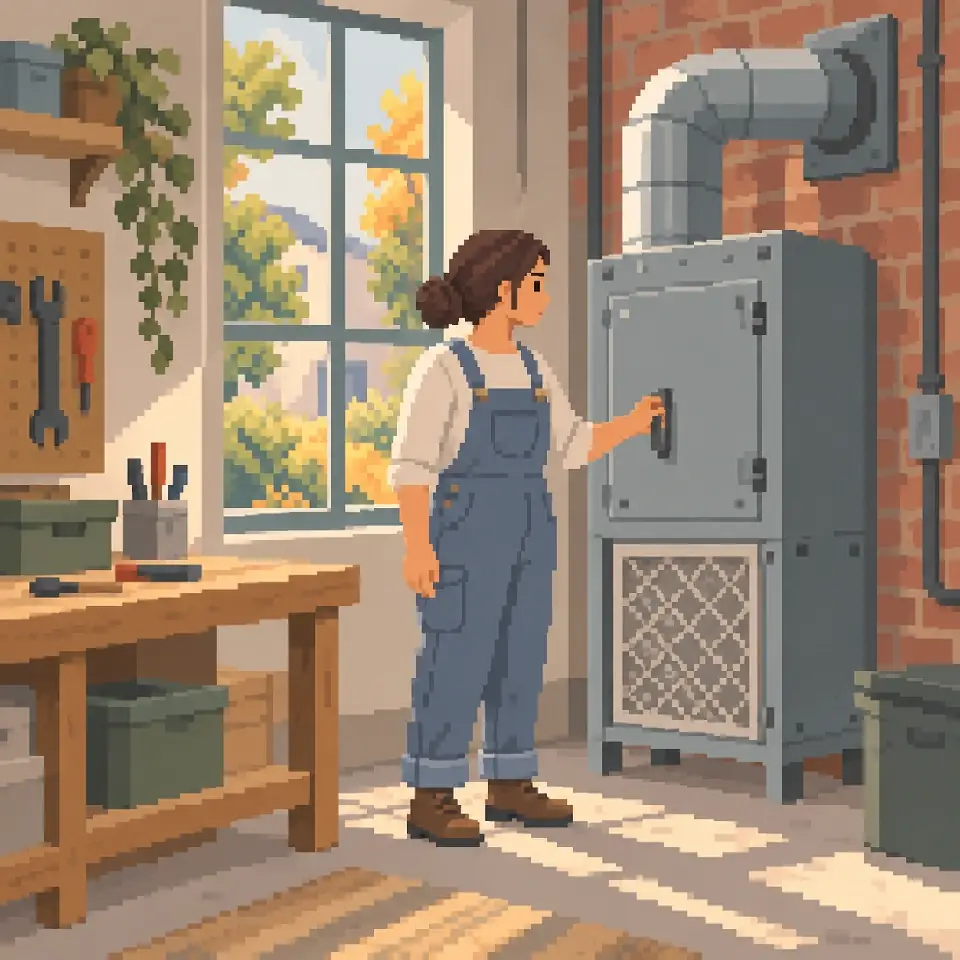
If you buy an air cleaner, choose a particle-filtering model with enough capacity for the room. Look for CADR, the volume of clean air delivered per unit of time. The EPA guide recommends using the smoke CADR for fine particles. Check the price and availability of replacement filters before buying. Keep the air inlet and outlet clear and replace filters as instructed.
A single cleaner is best placed in the room where you spend the most time, such as a bedroom. During pollution episodes it can lower particle concentrations with the windows closed. Devices designed to generate ozone are unsuitable: ozone irritates the lungs. Ordinary particle filters do not remove carbon dioxide, so you still need to ventilate once outdoor air improves.
Asthma and worsening symptoms
Plan ahead for a child, an older relative, a pregnant woman or someone with heart or lung disease: where could they spend a particularly polluted day? With asthma, keep the prescribed inhaler at hand and follow the action plan agreed with a doctor. Seek medical help if coughing, wheezing or breathlessness starts for the first time or gets worse.
Save this guide for the next dusty day and share it with someone who could use it.
In the comments, tell us what happens in your neighbourhood: when you smell smoke, where traffic kicks up dust from verges, or where vehicles carry mud out of a construction site. A place and time help us discuss a specific problem.