
Cold weather is coming, and maybe power cuts too. But who are we kidding — sooner or later, they’ll affect all of us. So shall we get as ready as we can? Today, we’ll look at how! And write down the most important contacts for winter.
Contacts and advice checked on 9 November 2026.
Where to report a power cut

Ask your neighbours whether they have power. If only your flat is affected, check your electricity account balance and latest payment. The bill is paid but there’s still no power? Contact the electricity company or the electrician who services your building. Don’t dismantle the electrical panel or keep resetting a breaker that trips.
If your neighbours have no power either, look for an announcement covering your address in the city electricity channel or district group. Can’t find one? Call the dispatch service.
When you don’t need a new report
If an announcement names your address and covers the current work period, you can follow its updates. If the dispatcher confirms that a report for your building has already been accepted, you don’t need to submit it again. Write down the reference number if one is issued: it makes it easier to ask about the repairs.
Get in touch again if the stated time has passed or something has changed—for example, your neighbours have power again but you don’t. Report smoke, sparks and other signs of danger immediately.
What to write or say to the dispatcher
Note the time of your call and the report number if one is issued. If the repair time is still unknown, ask when to call again. If you’re referred elsewhere, ask for the service’s name and phone number.
In the 1055 chat, send these details together in one message. Don’t post your electricity account number, receipt or personal phone number in the public chat.
What Sveta.Net shows
Residents mark outages on the Sveta.Net map. Through the bot, you can add a report and subscribe to notifications near your address. If you need to report the problem to the electricity company, use the contacts above.
A marker disappearing from the map doesn’t confirm that power is back: under the service’s rules, it disappears after three hours without new reports. An empty map may simply mean that nobody has reported the outage yet.
First, you need to get home

If you or someone close to you can’t get up to the flat without a lift, find out whether it’s working and whether the building entrance is open before returning home. During a long outage, you’ll need somewhere to wait for the repairs.
Report anyone trapped in a lift to the organisation that services it. Give the address, building entrance and a contact number. If you’re trapped, press the emergency button or use the intercom. Don’t force the doors open or try to climb out between floors. If someone becomes unwell or there’s another danger, call 112.
Why the gas boiler has stopped too
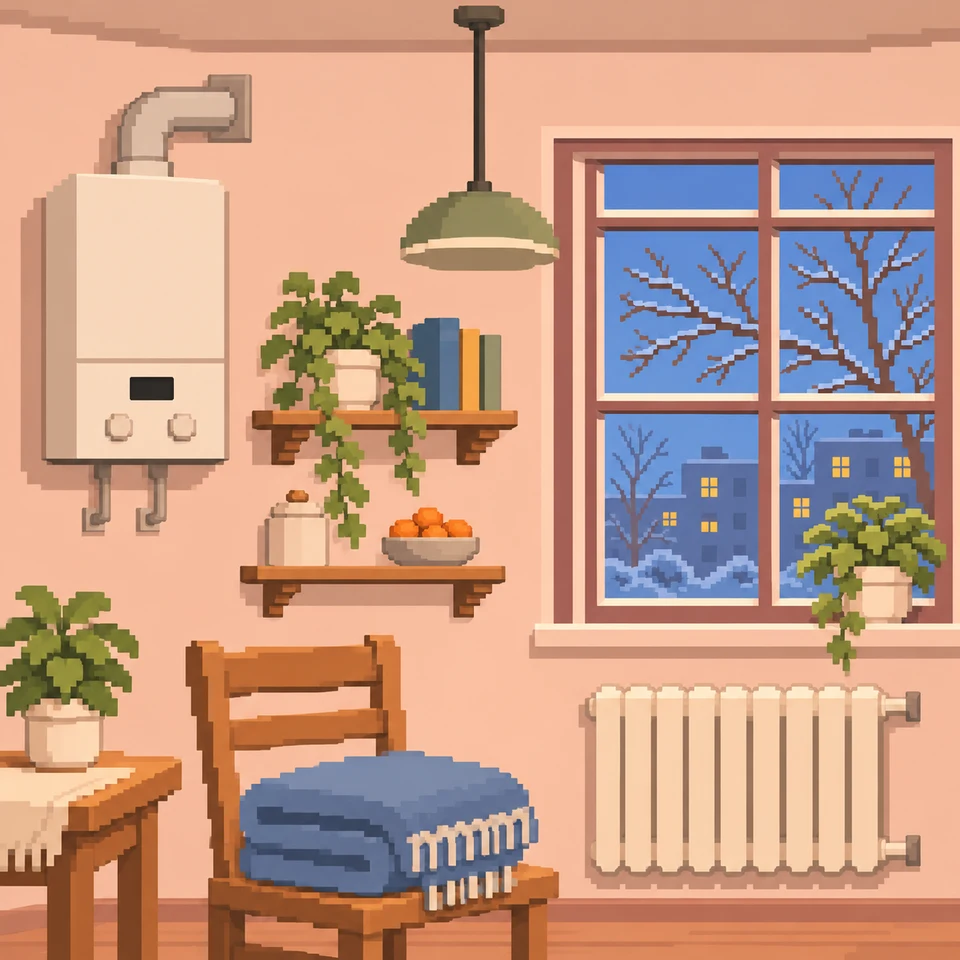
There may be gas in the pipe, but a boiler with electronic controls and a circulation pump won’t work without electricity. Ask the service team for your model two things in advance: what backup power supply is suitable, and how the boiler starts up after a power cut.
District heating also relies on electricity to run heat substations and pumps. Veolia has previously reported interruptions for this reason. The lights may come back before the heating does. If the radiators stay cold, our heating guide explains how to report it.
If the repair time is unknown and your flat is getting noticeably colder, arrange somewhere to stay overnight before you need it. This matters especially with young children, older people or anyone who needs help leaving home.
Why there’s water downstairs but none upstairs
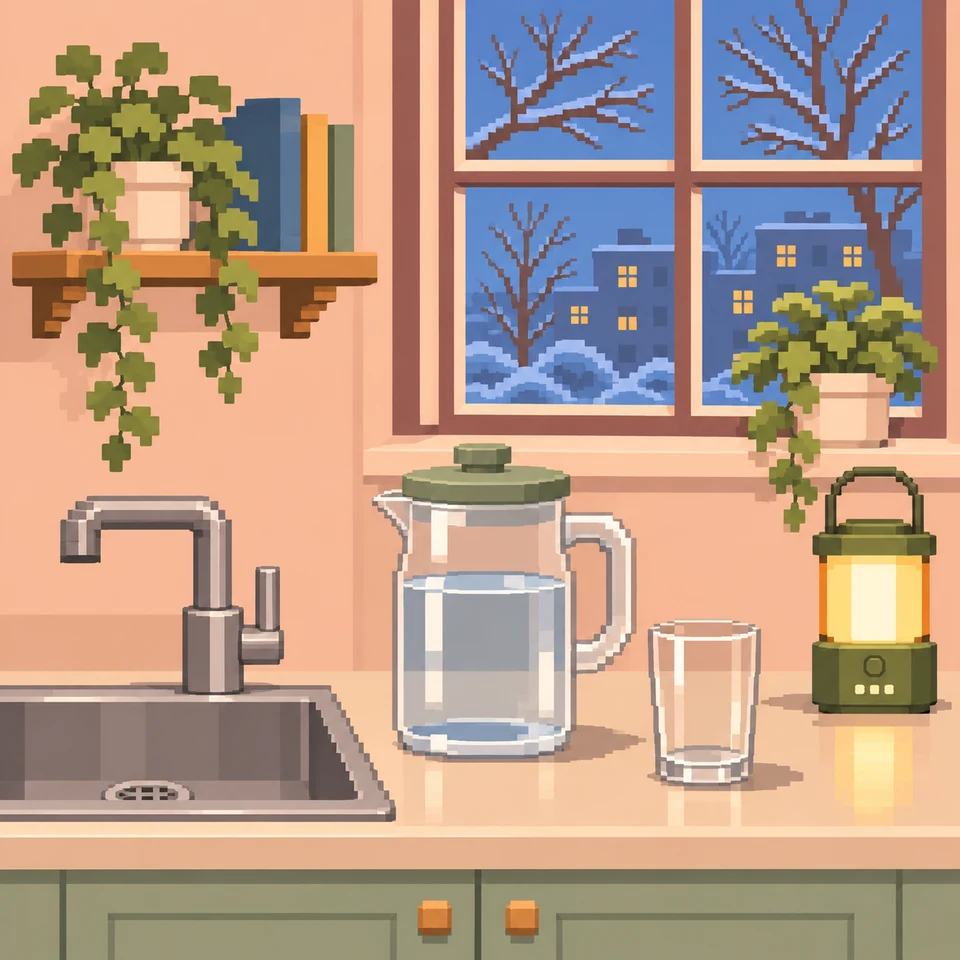
In some buildings, a booster pump supplies water to the upper floors. It stops during a power cut unless it has backup power. That can leave your tap dry while water is still flowing downstairs. Building management can tell you whether your building has a pump and who is responsible for starting it.
The problem may also begin outside the building: the water utility has reported city pumps stopping during a power cut. If the electricity is back but water still hasn’t reached your floor, tell building management.
Keep drinking water in a clean, closed container for an evening like this, with a separate supply for household use. If there’s a water main incident, check the supplier’s announcements: they may include instructions on when and how to use the water again.
Switch the cooker off

An electric cooker may start heating again when power returns. While the power is off, turn its controls to the off position. Do the same with the oven and any other heating appliances that were running when the outage began.
You can unplug other household appliances if their plugs are accessible. Don’t touch wet or damaged plugs and sockets. This advice does not apply to life-sustaining medical equipment.
Perishable cooked food can stay at room temperature for no more than two hours, or one hour in heat above 32 °C. Don’t leave it on the table for longer, even if you plan to reheat it all afterwards.
How long the fridge will stay cold

Note when the power went off and avoid opening the doors unnecessarily. According to FoodSafety.gov, a closed fridge stays cold for about four hours. A full freezer lasts about 48 hours; a half-full one, about 24.
After four hours without power, meat, fish, milk and cooked meals from the fridge must be discarded unless you can confirm they stayed below 4 °C. If you measured the temperature, use a different clock: food kept at 4 °C or above for more than two hours must be discarded. You can’t add those two hours to the four. Smelling or tasting the food won’t tell you whether it’s safe.
If the repairs are taking longer, move the food to a working fridge or an insulated container with ice before these time limits run out or storage temperatures become unsafe. A balcony needs a thermometer check even in winter: it can warm up during the day and freeze at night.
The lights are back. What about everything else?
Once the power is back, check the boiler, water and lift: they may start working later than the lights. Save any error code on the boiler’s display—you’ll need it when checking the manual or calling the service team.
If your neighbours have power again but you don’t, tell the electricity company and building management. Also report lights that flicker or are unusually dim or bright. Leave household appliances switched off until a specialist has checked the problem.
Once the supply is back to normal, switch appliances on one at a time. If an appliance sparks, smells burnt or malfunctions, stop using it and call a specialist.
If an appliance breaks, note the time of the outage and keep the report number and receipts. Photograph any visible damage if you can approach it safely. Ask the repair service to put the cause of the fault and the repair cost in writing. These documents will help establish whether the fault is connected to the outage.
What to save before the next power cut

Save the numbers for building management, the lift service and the boiler service alongside 1154 and 1055. Keep the messages containing your report number too: you’ll need them if the power goes off again.
If your building has found ways to deal with these outages, share them in the comments. A reliable technician’s contact details or your experience with the dispatch service could help your neighbours. 🧡