What happened on 12 October
On 12 October, Shavkat Mirziyoyev visited New Tashkent to open completed facilities and launch further construction. The openings included the first phase of housing, a school and a riverside park. Nearby, university buildings are still going up, utilities are being laid and sites prepared for new neighbourhoods.
Some buildings already have students in their classrooms and ministry staff at their desks; others are still having their foundations poured. The idea of developing a large area beyond the Chirchiq emerged as it became harder to fit new homes, schools, roads and utilities into the existing city.
Why build a new city?
In autumn 2022, when officials were discussing the master plan, Tashkent’s population was approaching three million. New housing was adding pressure on roads, schools and utilities. Building within established neighbourhoods meant finding space that other people were already using.
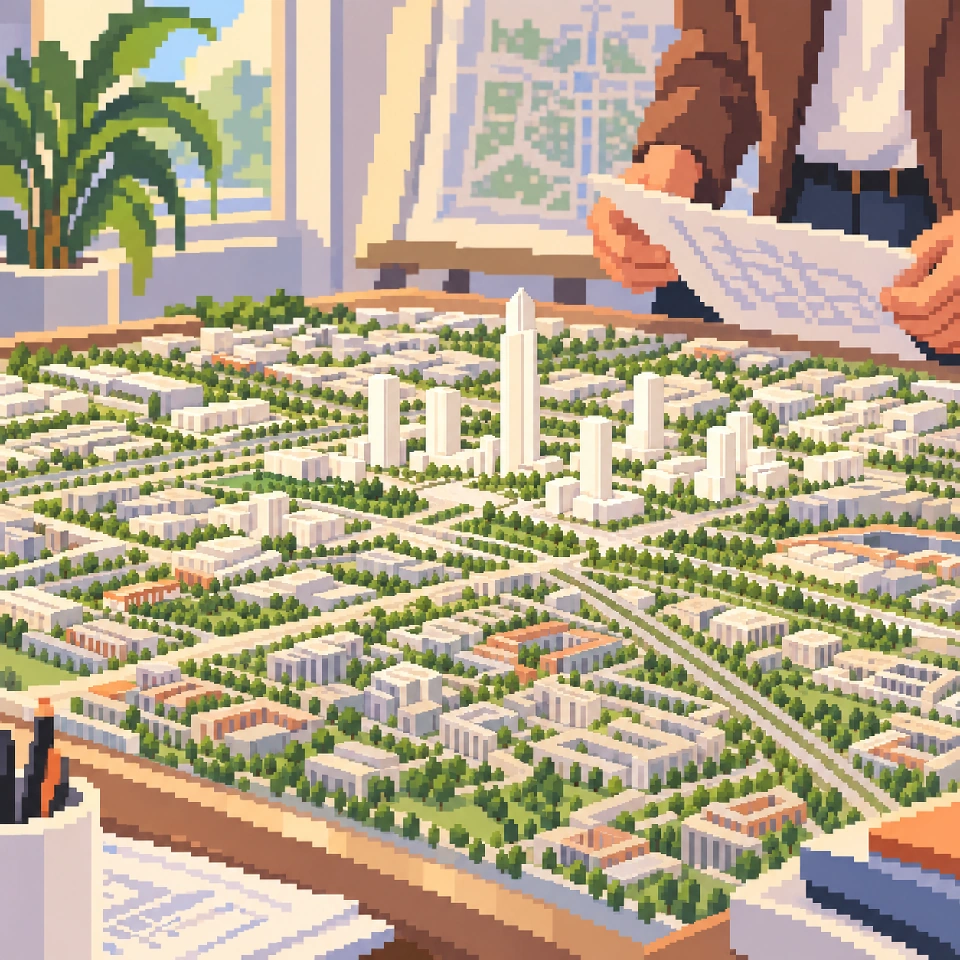
The proposal was to move large-scale development east of the capital, between the Chirchiq and Karasu rivers. Land could be set aside for homes, jobs, education and transport from the outset, with utilities laid before residents moved in. Preserving the architectural character of the existing city was another stated aim.
Universities, government offices, clinics and shops are planned for the area. The idea is for residents to handle much of everyday life close to home. Otherwise, they would have to keep travelling back to the existing city for services.
Why do the figures keep changing?
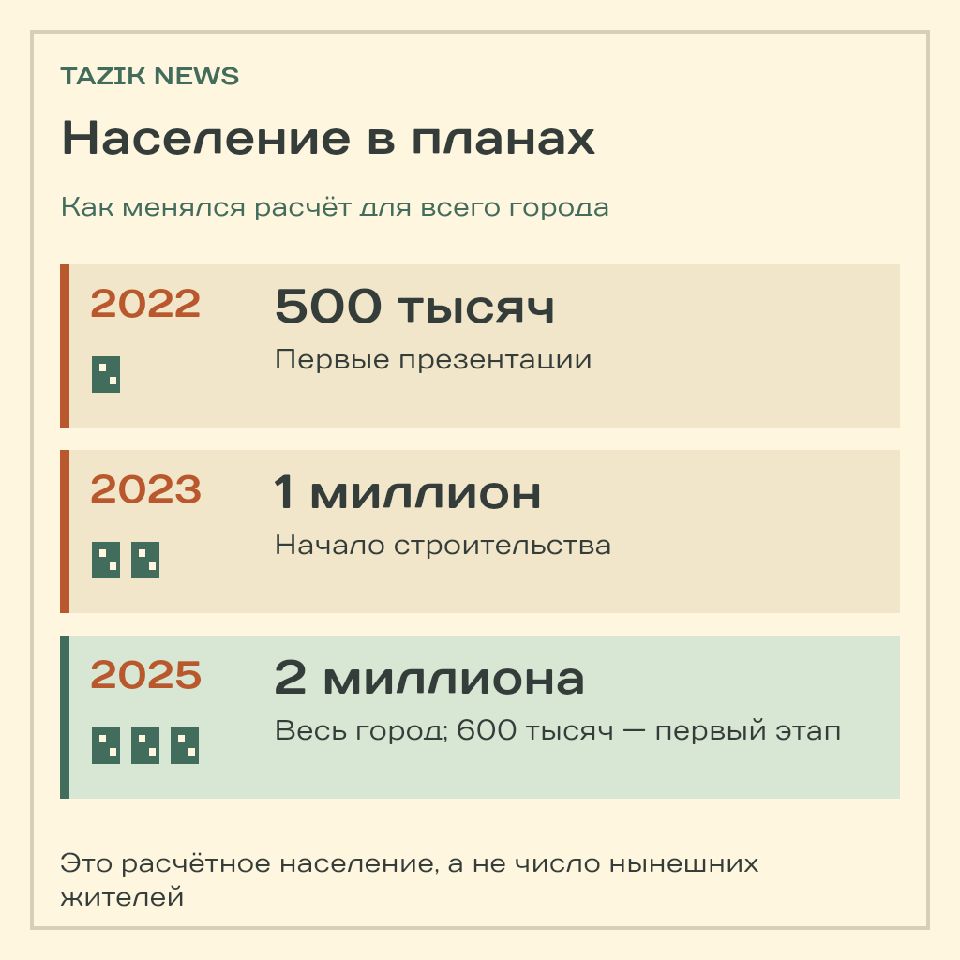
The project has grown considerably. The 2022 presentation envisaged 500,000 residents. At the groundbreaking ceremony in March 2023, the figure had risen to one million. By late 2025, the overall projection had been increased to two million people.
Nearly 197 square kilometres have been allocated to the project. Construction will be phased: the first stage covers around 60 square kilometres and is designed for 600,000 residents. Further neighbourhoods will follow as roads and utilities become ready.
The scale changed alongside forecasts for the capital’s growth. British firm Cross Works developed the concept; a dedicated directorate manages delivery and works with investors.
When will people be able to move in?

The directorate expected the first residents in December 2026. Its representative Azizbek Omonov gave that date in February. He said people in difficult circumstances and employees of relocating government bodies would be among the first to move in.
By 12 October, around 7,000 apartments had been built in Sharq Bahori and the complex’s first phase had opened. The authorities plan to bring the number of completed apartments to 20,000 by the end of the year, providing housing for at least 70,000 people.
Apartments are already on sale. Trustbank, for example, offers a mortgage for homes under construction in Sharq Bahori. The handover date depends on the particular building and the agreement with the developer.
Moving brings everyday questions: where to buy groceries, see a doctor and send children to school. A school for 2,000 pupils has opened, while construction of a 120-bed central hospital began on 12 October. Shops, kindergartens and other services are meant to arrive as neighbourhoods fill up.
For anyone considering a home here, the address will matter. Alongside the building itself, there are utility connections, access to an operating school and clinic, and the daily journey to work to consider.
Who already comes here every day?

Students already travel to New Tashkent: in September, students at New Uzbekistan University were studying in its new classrooms and laboratories.
The Nizami National Pedagogical University campus has also appeared nearby. In August, the authorities announced that buildings for both universities and the National Library had been commissioned. Work on the campuses continues: the full New Uzbekistan University project includes 16 buildings across three phases.

Government employees are another regular presence. An announcement on 12 October said the construction, transport and energy ministries were already working in New Tashkent. Other government organisations have now been instructed to begin relocating.
Administrative buildings were planned for more than 60 government bodies. Some began working from temporary premises while their permanent offices were being built.
The move brings people who need transport, lunch, a bank or a pharmacy every working day. They will be the first customers for new shops and cafés. Staff who continue living in the existing city will also have a new commute.
What else will there be besides homes and offices?
Private development has been uneven so far. An October meeting with investors revealed that housing projects occupied two-thirds of their allocated plots, while active construction had yet to begin on 28 lots.
The authorities responded by announcing lower infrastructure charges for non-residential projects: retail, hotels, cultural venues, private schools and healthcare. The aim is to bring forward the services new neighbourhoods will need.
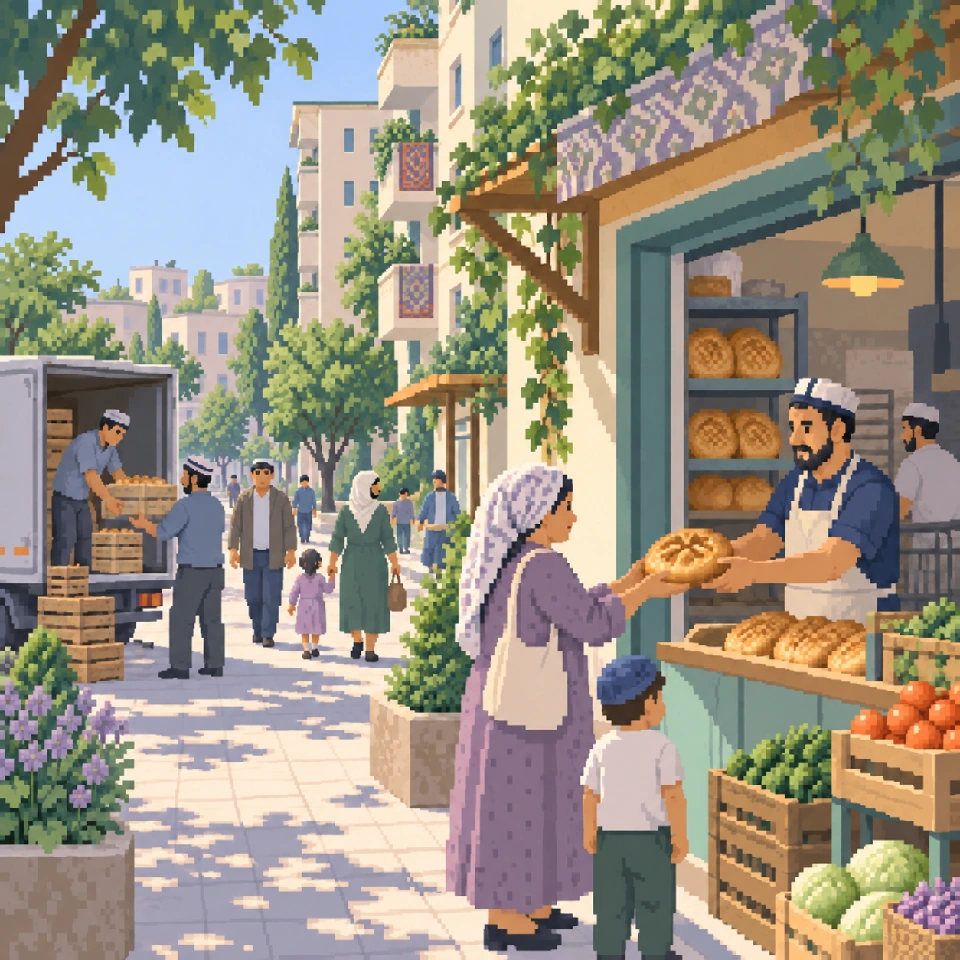
Technology manufacturing and business complexes are also planned. Alongside universities and government offices, they are intended to provide jobs close to home. Bakeries, grocery shops and pharmacies will serve future residents as well as people who come here for the day.
How will the two Tashkents connect?

Bridges and a new metro line are being built for daily journeys. The plan presented in December 2025 sets out a 21-kilometre line with nine stations, connected to the existing network and designed for 230,000 passengers a day.
An underground car park beside one station will let drivers transfer to the train. The station and parking complex was scheduled to open in 2027.
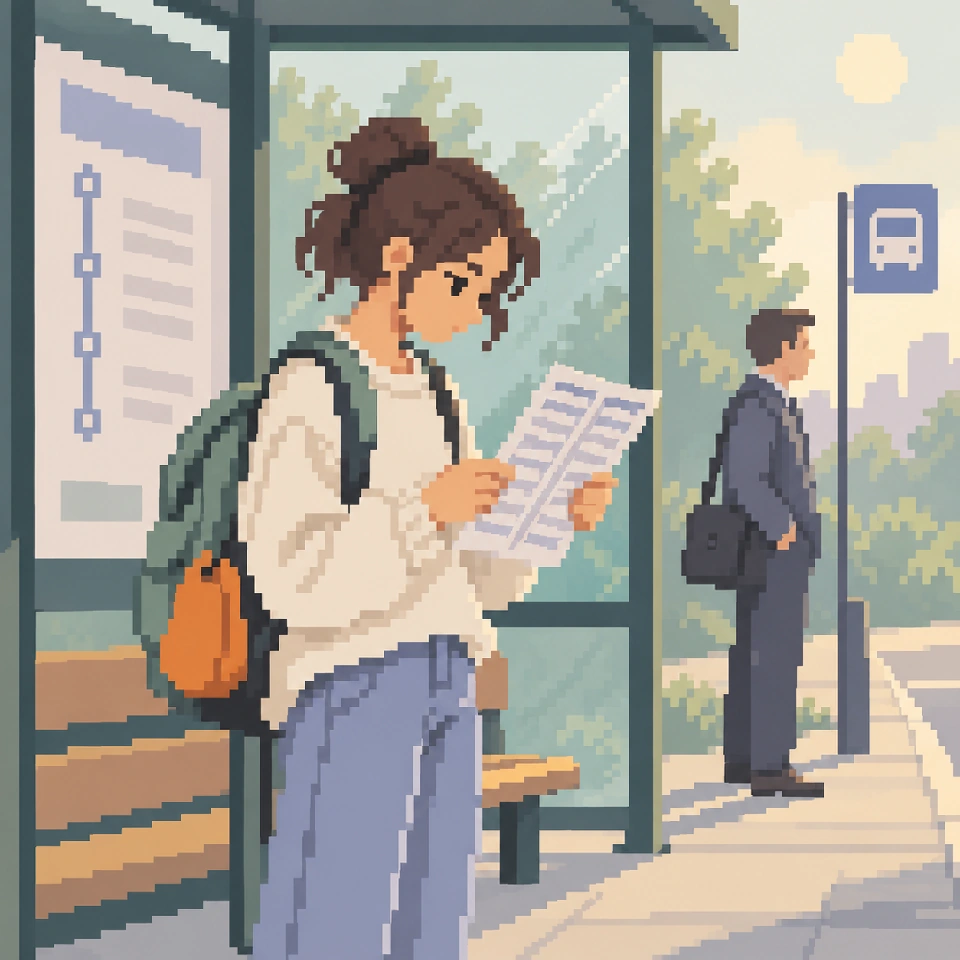
Until the metro opens, most journeys will remain above ground. The Tashtrans directory already lists bus 197 from Amir Temur Square and bus 137 from the Qushqo‘rg‘on mahalla to New Tashkent. The onward journey from the bus stop depends on which part of the development you are visiting.
How will water, heating and electricity work?
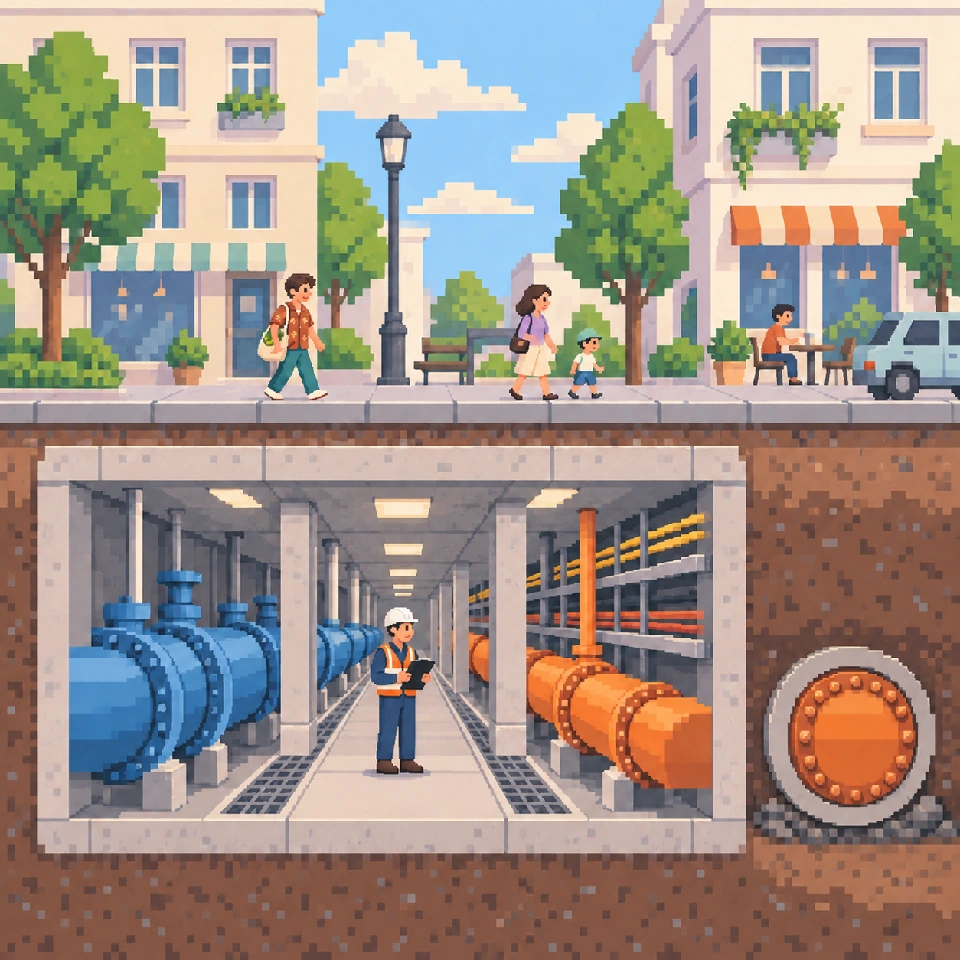
Utility networks are being laid beneath the city alongside the roads. Some will share underground service tunnels, now being built to house pipes and cables. Workers will be able to inspect and repair them without digging up the street each time.
An electrical substation and a trigeneration plant opened in October. Trigeneration means producing electricity, heat and cooling in one installation. District heating and cooling were included in the design from the start.
It is easier to plan a system like this when an entire district is being built and the position of its streets and buildings is known. The shared networks are then connected to individual homes. Those connections determine when residents can actually use water and heating.
Where will people go for a walk?

Sohil Bog‘i park opened alongside the housing on 12 October. The official description includes walking and cycling paths along ten kilometres of riverbank. The waterfront is intended to become a place for residents of the future neighbourhoods to spend time outdoors.
A cultural district is planned elsewhere in the development: a National Theatre, the Alisher Navoi literature museum and centre, a creative school and the National Maqom Centre. These institutions are intended to attract visitors from across Tashkent.
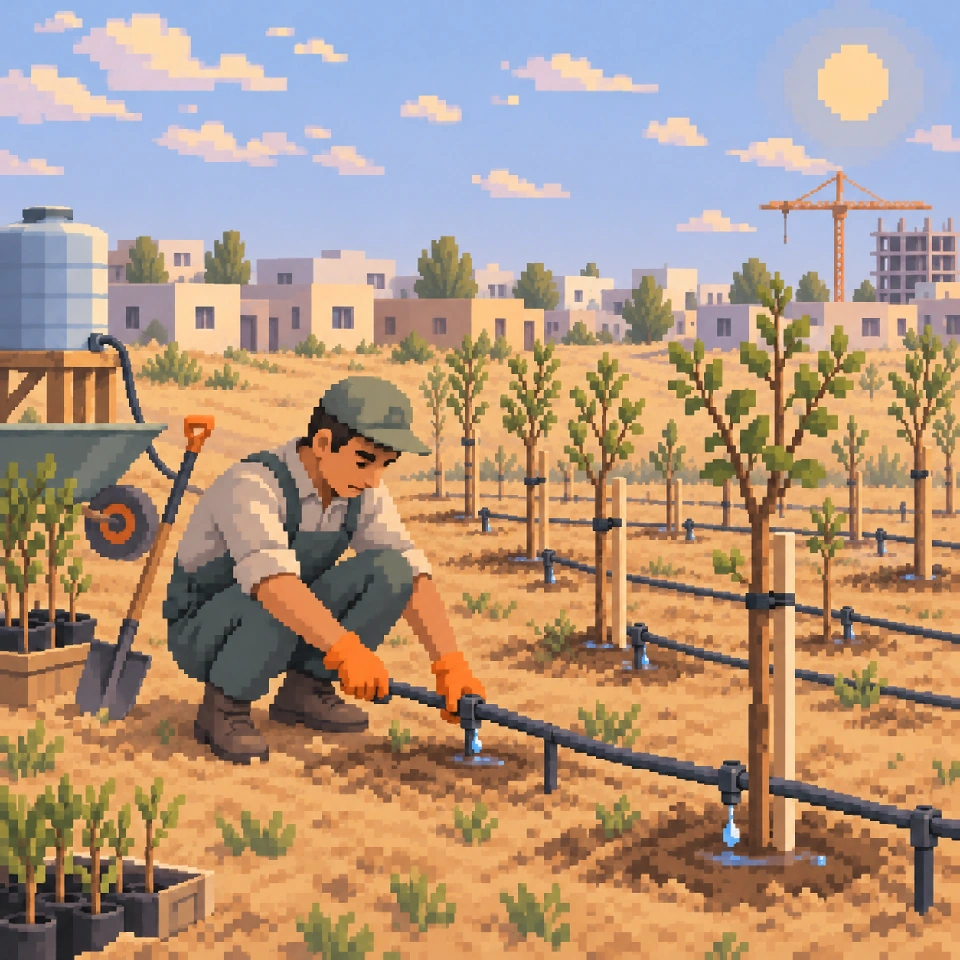
Trees will have to grow alongside the new homes. In 2024, a 50-hectare nursery with 27,000 saplings was prepared for this purpose. Trees are being raised in advance for later planting along streets and in parks.
Young trees need years to provide dense shade. For some time, the new streets will therefore be hotter in summer than courtyards with mature canopies. Regular watering and care will determine how quickly the planting becomes established.
The 2023 programme provided for irrigation using treated wastewater. Water used in buildings would be cleaned and then used for landscaping, reducing the amount of drinking water spent on trees and lawns.
What was here before construction?
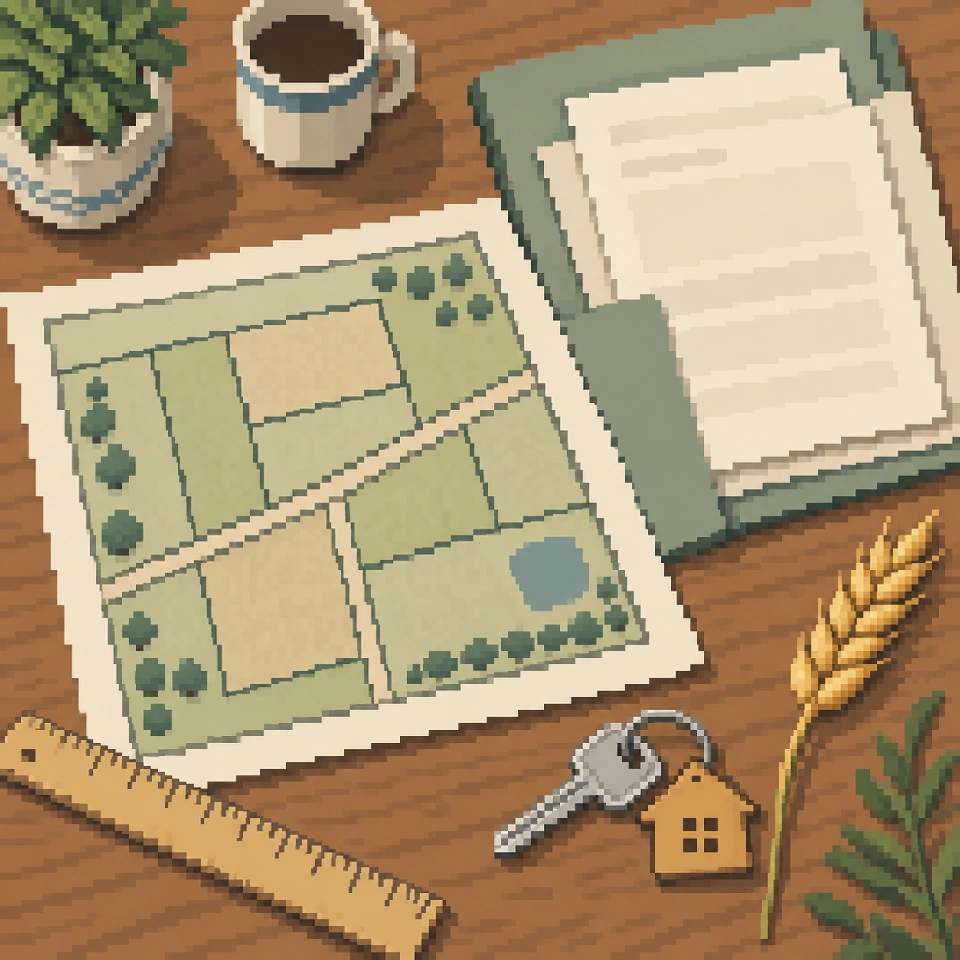
Much of the selected area was farmland. Land was allocated from the Yuqori Chirchiq and O‘rta Chirchiq districts. The 2023 resolution lists nearly 12,900 hectares of agricultural land, most of it irrigated.
The resolution requires previous land users to be compensated in full before the land is used for urban development. This involves acquiring plots, calculating losses and paying the people and organisations that farmed here.
Who is paying for it?
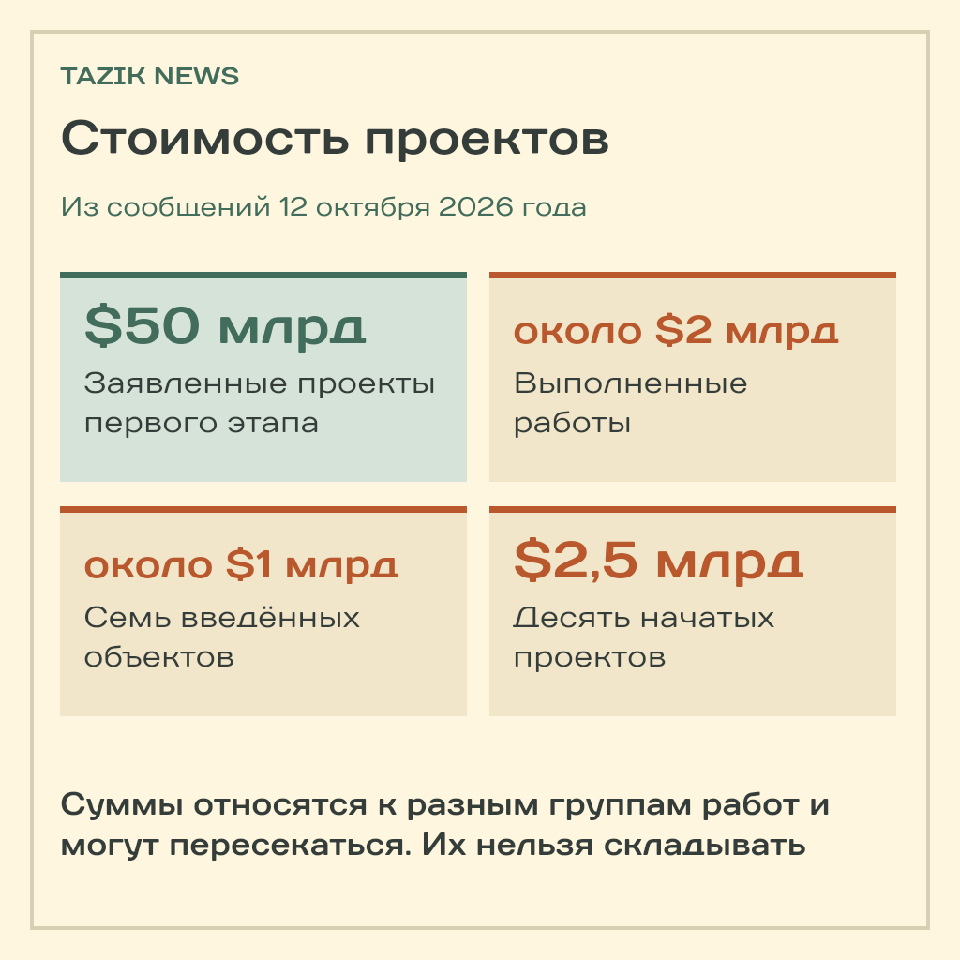
The figure of $50 billion often appears in reports about New Tashkent. It is the value of planned first-stage projects, including future investor funding. By October, the authorities reported around $2 billion worth of work completed.
At the 12 October meeting, the president said the main construction projects were still being funded by the state. Private investors are being brought in through plots for individual developments, including homes, offices and hotels.
What will change for the existing city?
For the existing Tashkent, construction beyond the Chirchiq means substantial growth to the east. Some jobs and educational institutions are moving there, and thousands of apartments are being built. The authorities intend this to reduce pressure for dense development in older neighbourhoods.
New workplaces will change familiar routes. Staff may continue living far from their offices, while the first residents may still take children to their old schools. Pressure on roads will depend on how quickly public transport starts operating and everyday services appear close to home.
If you already study or work in New Tashkent, tell us about your usual day in the comments: how long the journey takes, where you eat lunch and whether it is easy to get around on foot. We would like to hear how the city feels to people who use it every day.

Already study or work in New Tashkent? Tell us about your everyday experience in the comments.