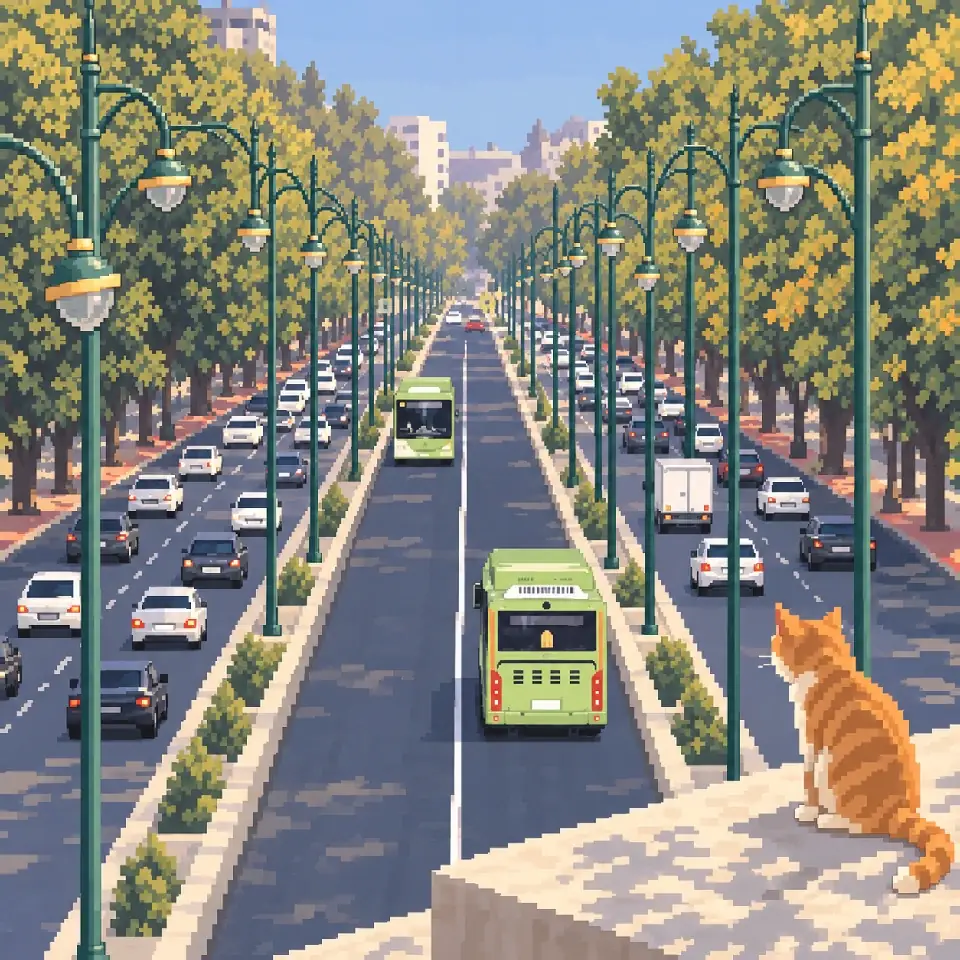
In 2025, workers building a dedicated bus corridor on Shota Rustaveli found rails and sleepers beneath the asphalt. They had been left there when the street was rebuilt in 2011. According to the city administration, the discovery meant changing the design and doing additional work.
Trams had been removed from this stretch fourteen years before that discovery. In the meantime, the city had closed its entire tram network, replaced the vehicles with buses and returned to dedicated lanes. On Shota Rustaveli, these now occupy the middle of the street as part of BRT, or Bus Rapid Transit.
Other former tram streets are following a similar path. To understand the choice being made today, it helps to follow the shrinking network, look at what the city is building in its place and compare what each mode offers passengers.
Trams linked distant districts through the centre
The 2009 archive map marks eight tram routes. Route 9 linked Chilanzar’s 26th quarter with Kuylyuk-6; route 13 ran from the tractor plant to Kuylyuk, and route 25 from the Zenit plant to the railway station. Trams crossed the centre and connected distant districts. This is a snapshot of one year: the network changed several more times before the final service in 2016.
The 2011 reconstruction particularly affected the central network. That January, the government approved the removal of 28.2 kilometres of track. The list included Navoi, Amir Temur, Shahrisabz and part of Shota Rustaveli — streets that carried trams through the centre.
The same decision provided for a 7.1-kilometre double-track bypass along Mukimi, Shota Rustaveli, Kushbegi and the Small Ring Road. Trams were still being retained, but rerouted away from their former central corridors. Five years later, the authorities decided to close the system altogether.
Wider roads and buses to replace the trams
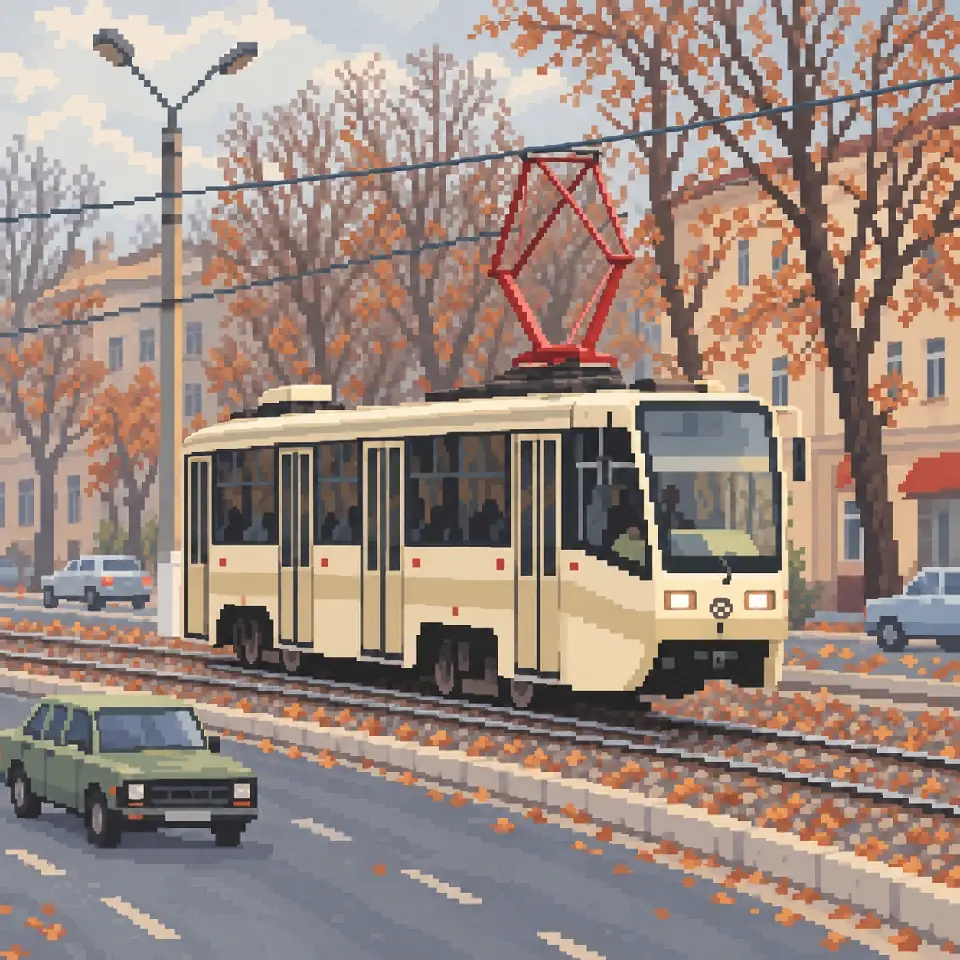
In March 2016, mayor Rahmonbek Usmanov announced that the entire system would be dismantled. He described tram operations as inefficient. New bus routes were promised in their place, while the vacated space would be used to widen roads.
Just over a month later, it was over. On the morning of 2 May, the last tram on route 17 returned to the depot. A city that had run electric trams since 1913 no longer had a single operating route.
Buses replaced the trams, but the need for fast surface transport remained. Nine years later, major reconstruction began on Shota Rustaveli — the same work that uncovered the old rails.
Why familiar streets are making room for public transport again
In October 2025, a BRT corridor opened on Shota Rustaveli: almost seven kilometres from Mirabad to Choshtepa, with two bus lanes in the centre. General traffic remained in the adjacent lanes, separated by a kerb. Buses no longer had to share this stretch of road with cars.
BRT stands for Bus Rapid Transit. Alongside dedicated lanes, a system is designed for quick boarding and fewer delays at junctions. The usefulness of the whole project depends on how well the stops and traffic signals work.
In September 2026, another 1.2 kilometres opened on Shahrisabz, from the roundabout at Mirabad and Shota Rustaveli to Amir Temur Avenue. This is the first section of a longer planned line. Together with Shota Rustaveli, it shows the city gradually restoring dedicated space for surface public transport.
On Shota Rustaveli, the new corridor partly follows tram route 9. From the Mirabad roundabout, the tram followed Shota Rustaveli to the textile works area, then turned onto Mukimi. BRT continues further south to Choshtepa. Part of the street is shared, but the length of the corridor and passengers’ onward journeys have changed.
The next step is still in preparation. On 16 October, the city administration announced four corridors totalling 17.9 kilometres: Mukimi, Karatash with Kukcha Darvoza, Parkent and Mirzo Ulugbek. A budget is being prepared for design documentation; utilities must be surveyed and contractors selected before construction can begin.
Mukimi and Mirzo Ulugbek also carried trams: routes 9 and 13 respectively. The preliminary 2025 BRT programme, however, covers nine new corridors beyond Shota Rustaveli, including Yangi Sergeli, where the selected 2009 map shows no tram line. The bus network is being expanded to serve today’s travel patterns.
In its October announcement, the city explains its approach in terms of public transport priority and reduced dependence on private cars. In 2016, the space vacated by trams was intended for wider roads. Now part of that road space is being set aside for mass transport again.
Why should a bus use that space? The choice becomes clearer when both modes are assessed against the same task: how many people need to travel, how long their journeys will take and how much it will cost to run the line.
1. Which can carry more people?
When a queue builds up at a stop, the obvious response is to send vehicles more often. Buses can carry more passengers by adding vehicles and shortening intervals. Trams offer another option: longer vehicles or coupled sets, provided the platforms and tracks can accommodate them.
A simple example shows the difference. A bus with room for 120 people every two minutes offers 3,600 places an hour in one direction. A tram carrying 240 every four minutes offers the same. With evenly spaced services, the bus means a shorter wait, while the tram makes half as many departures. If round-trip times are equal, the tram also needs fewer vehicles and drivers. This is an illustrative calculation, not a Tashkent timetable.
As demand rises, intervals cannot keep shrinking indefinitely. A stop needs enough boarding space, and junctions need enough signal time for vehicles to pass. Several buses may arrive together and queue for a platform. A larger tram reduces the number of arrivals, but needs a longer stop.
A heavily used corridor with sustained demand is therefore a strong reason to consider trams. With fewer passengers, frequent buses may provide enough capacity without building a rail line. The decision needs passenger counts by hour and direction: a daily total conceals the morning crush.
2. Which gets you there faster?

Some people will wait for a larger tram; others would rather leave immediately. Once aboard, both can lose those saved minutes at a red light. Speed depends on a chain of decisions: dedicated space, junction priority, convenient doors and quick boarding. Under similar conditions, buses and trams can achieve comparable speeds along a corridor.
Our journey starts earlier, when we leave home. If reaching a central platform takes a long detour, the time saved aboard does little good. If the crossing is nearby but the green signal is too short, it is awkward for someone with a pushchair or anyone who walks more slowly.
Both systems have the same job here: safe access, a low floor, a small gap at the door and enough room inside. A low-floor vehicle needs a suitable stop. In Tashkent, shade and working air conditioning belong on that list too — people also wait and travel in summer.
A good line improves the whole journey: the time from home to destination and the number of changes along the way. Avoiding a transfer often gives buses an advantage that a photograph of a new lane cannot show.
3. Can you travel without changing?

A bus can collect passengers in a neighbourhood, enter a BRT corridor, pass through a congested stretch quickly and then return to ordinary streets. One dedicated lane can serve several routes, so people need not change at its entrance. This approach is used in bus network planning.
A direct journey comes with less predictable arrivals. A bus may be delayed in traffic before reaching the corridor, with the next vehicle following close behind. There may be plenty of space in the bus lane, but service is no longer evenly spaced. Controllers need to manage the entire journey, including streets outside BRT.
Another option is a frequent service confined to the corridor, with neighbourhood buses feeding passengers into it. That makes the main line easier to protect from outside delays but introduces transfers. These need a short walk, straightforward fares and a brief wait — otherwise passengers will understandably miss their old direct bus.
Trams can have branches too, but each one needs tracks. Buses are easier to integrate with existing neighbourhood routes. A tram proposal is best assessed as part of its future network: which districts it connects directly and where passengers can make a quick change to the metro or another service.
4. What happens when the line is blocked?
A through-running bus has another useful feature: sometimes it can be diverted. If a road closes, controllers can reroute it along nearby streets. A kerb-separated corridor offers less freedom — there must be an exit, and the neighbouring road needs room for traffic.
A tram cannot turn off its rails. A broken-down vehicle or a car on the tracks can delay following services. The design therefore needs places to turn trams short of an obstruction, protection from other traffic and equipment to remove a failed vehicle quickly.
Bus systems need spare vehicles and maintenance teams too. The difference lies in restoring service: buses can often use the surrounding road network, while trams depend on facilities built into their line. Both systems pay for reserves, control staff and repairs; without them, promised intervals can easily remain promises.
5. Are buses simply cheaper?
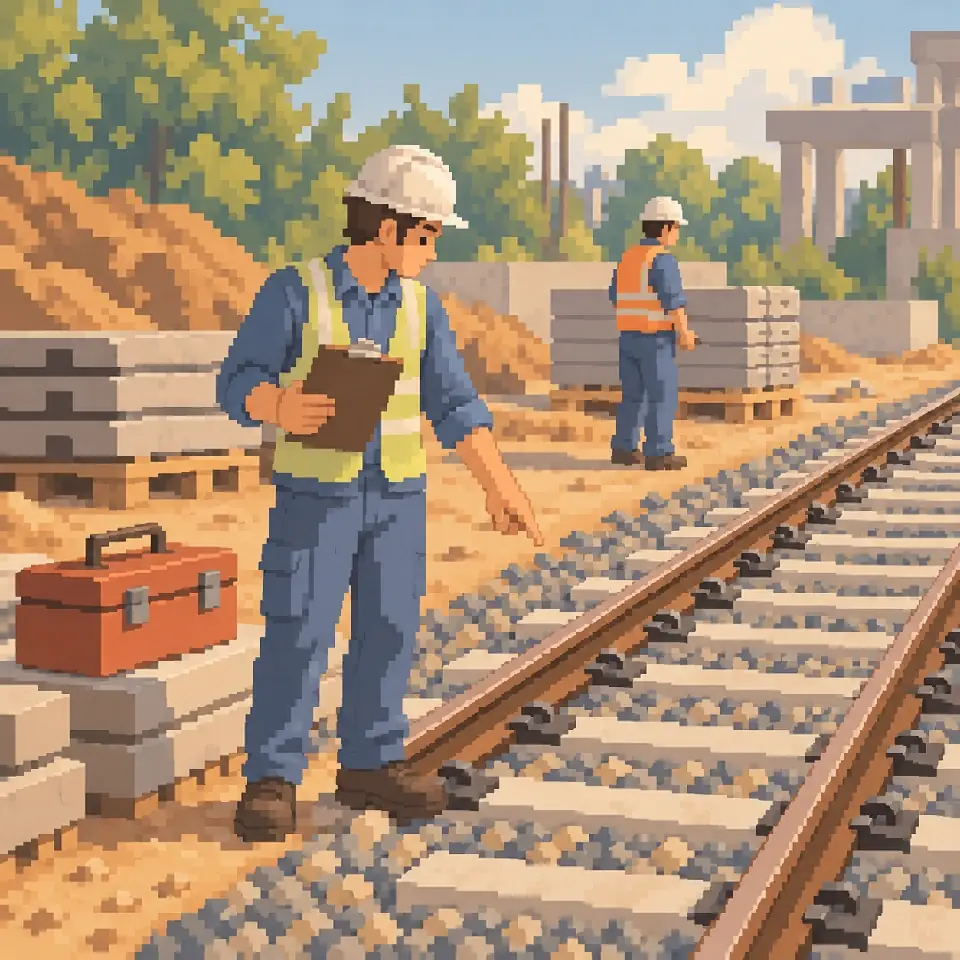
For Shota Rustaveli, the authorities reported a cost of $19.2 million. That covered the entire street reconstruction: roadway, stops, parking, cycle lanes, greenery and utility systems. The announcement gives no separate price for the bus lanes, so this figure alone cannot support a BRT–tram comparison.
Buses generally have a simpler starting point: no rails, points or overhead power system. A comparison of US projects also found an advantage in initial investment. But a durable road base, platforms, signals, vehicles and maintenance facilities are still needed. Electric buses also require chargers and sufficient electrical capacity.
A tram project adds tracks and power supply, a depot and vehicles. On a busy line, however, one driver can carry more people per departure. The same demand requires fewer departures; savings on the fleet and drivers also depend on the time needed for a complete round trip. These costs must be weighed alongside energy, track upkeep and maintenance.
Repair and replacement cycles matter over time. Bus fleets and road surfaces need renewal; tram systems require renewal of vehicles, rails, power equipment and other infrastructure. Operating studies find different results in different cities. A local budget therefore needs to cover years of service: cheap construction does not guarantee cheap operations, and expensive infrastructure needs enough passengers to justify it.
A useful comparison takes one corridor, one forecast of demand and the same assessment period — say twenty years — then costs both options. That shows what we pay today and what it will take to maintain the promised service later.
6. What about noise and air quality?
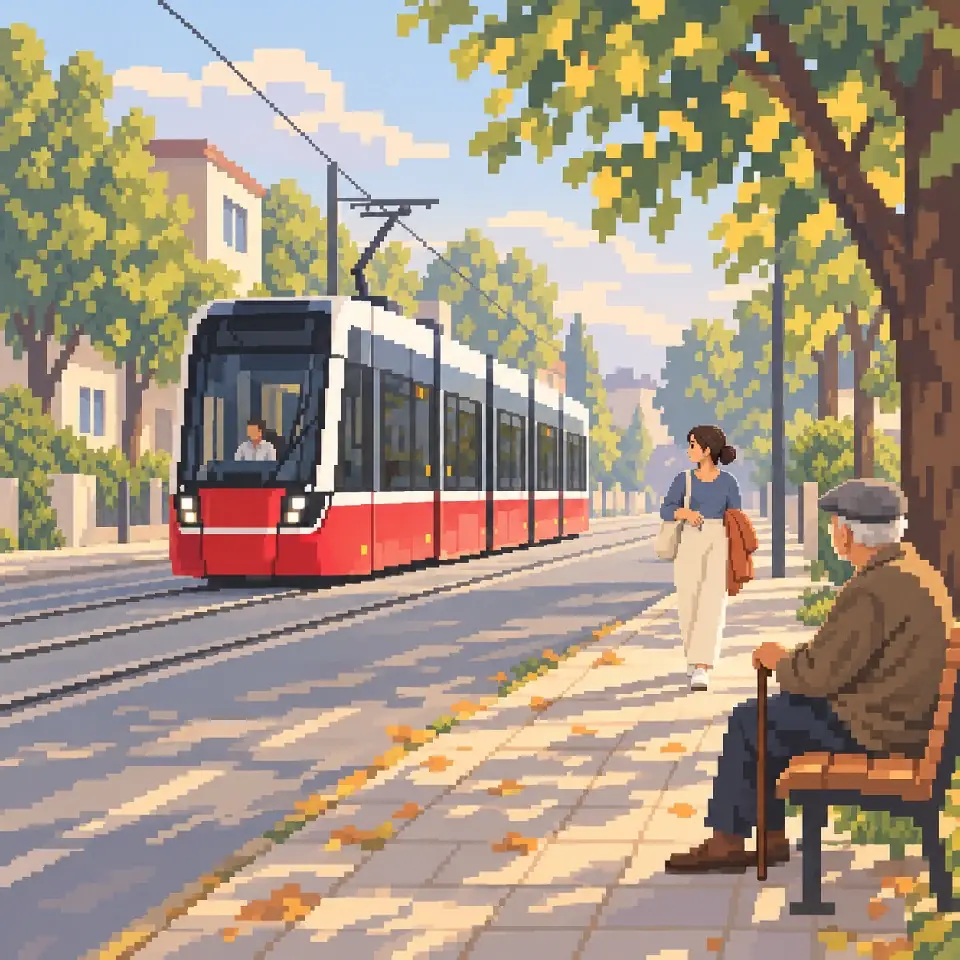
For someone beside the road, the bus that actually uses the lane matters. BRT can run on diesel, gas or electricity; a separating kerb does not change the fuel. Electric trams produce no local exhaust, and electric buses offer the same benefit along the street.
Bus tyres and road surfaces wear, as do tram wheels and rails; brakes add wear particles too. A full emissions assessment also considers how the electricity is generated. For a pedestrian, though, removing an internal-combustion engine from the immediate surroundings is a tangible improvement.
Noise depends heavily on maintenance. A tram may squeal on a curve or transmit vibration through the track; buses generate noise from tyres, suspension and the powertrain. These effects can be addressed through design and upkeep. Poor rails or broken road surfaces can make the ride unpleasant even in a good new vehicle.
Comparing an old, noisy tram with a new bus therefore tells us little about which line to build today. Nor should memories of a worn-out network’s final years stand in for an assessment of a modern tram. The comparison needs new vehicles and the standard of maintenance the city is prepared to provide.
7. Could the tram come back?

It could, but most of the system would have to be built afresh: tracks, power, platforms and depots. A bus corridor reserves space for public transport, but does not automatically become a tram line.
The idea remains in official plans. In 2022, the president instructed officials to accelerate the tram project. In March 2025, the French side reported an updated Alstom project roadmap. These documents concern project preparation.
On familiar Tashkent streets, BRT has some concrete advantages: lower initial investment, phased opening and the possibility of keeping direct bus routes. Where it can handle demand and maintain intervals, there are good reasons for it to stay.
Trams deserve serious consideration on routes with high, sustained demand: larger vehicles can carry people in fewer departures. The published announcements do not yet show which calculation decided the choice on each Tashkent street. A comparison of passenger demand, journey time and full costs is missing.
Fourteen years passed between track removal and the new bus lanes on Shota Rustaveli. In that time, the street had to be rebuilt again. It would be good to leave today’s corridors room to grow with passenger numbers — without having to reclaim their space all over again.
Which route would you use?

Do you remember travelling on Tashkent’s trams? If you use the new bus corridor, has your journey become quicker? Tell us in the comments where you usually travel from and to.
Send this article to someone you talk to about city traffic. And claim your tazik for reading 🧡.